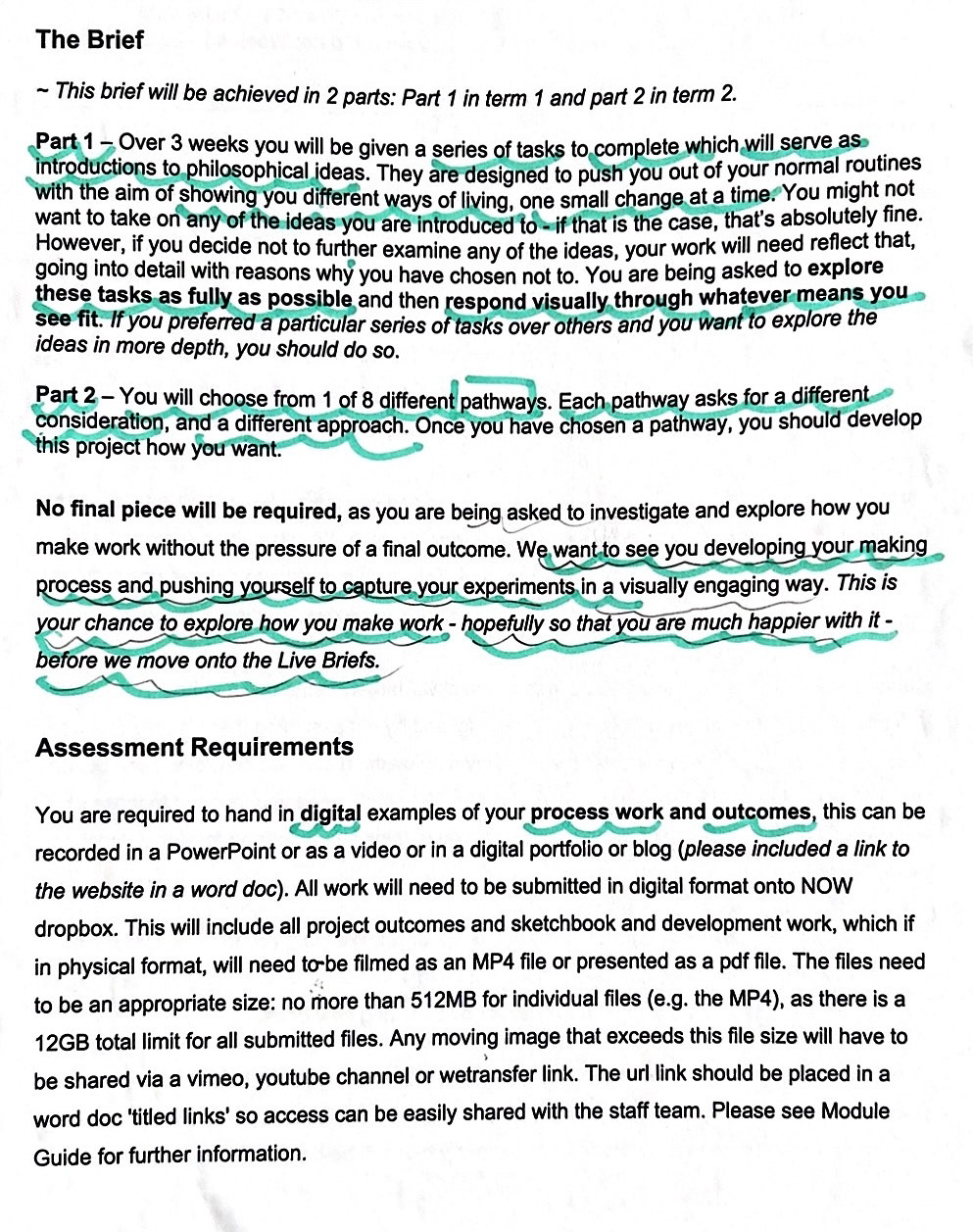
Project Brief
Week 1
Stoicism

Stoicism
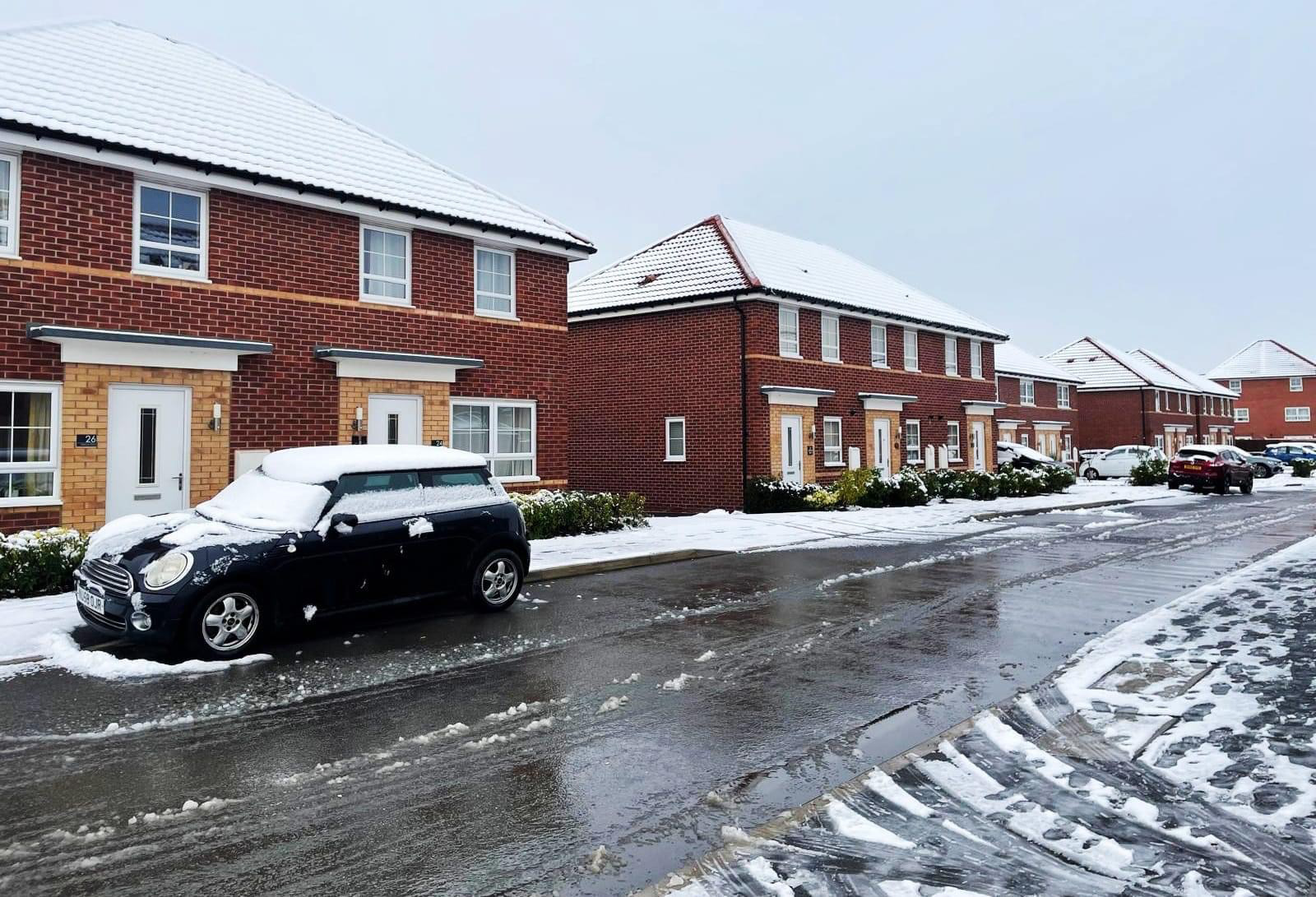
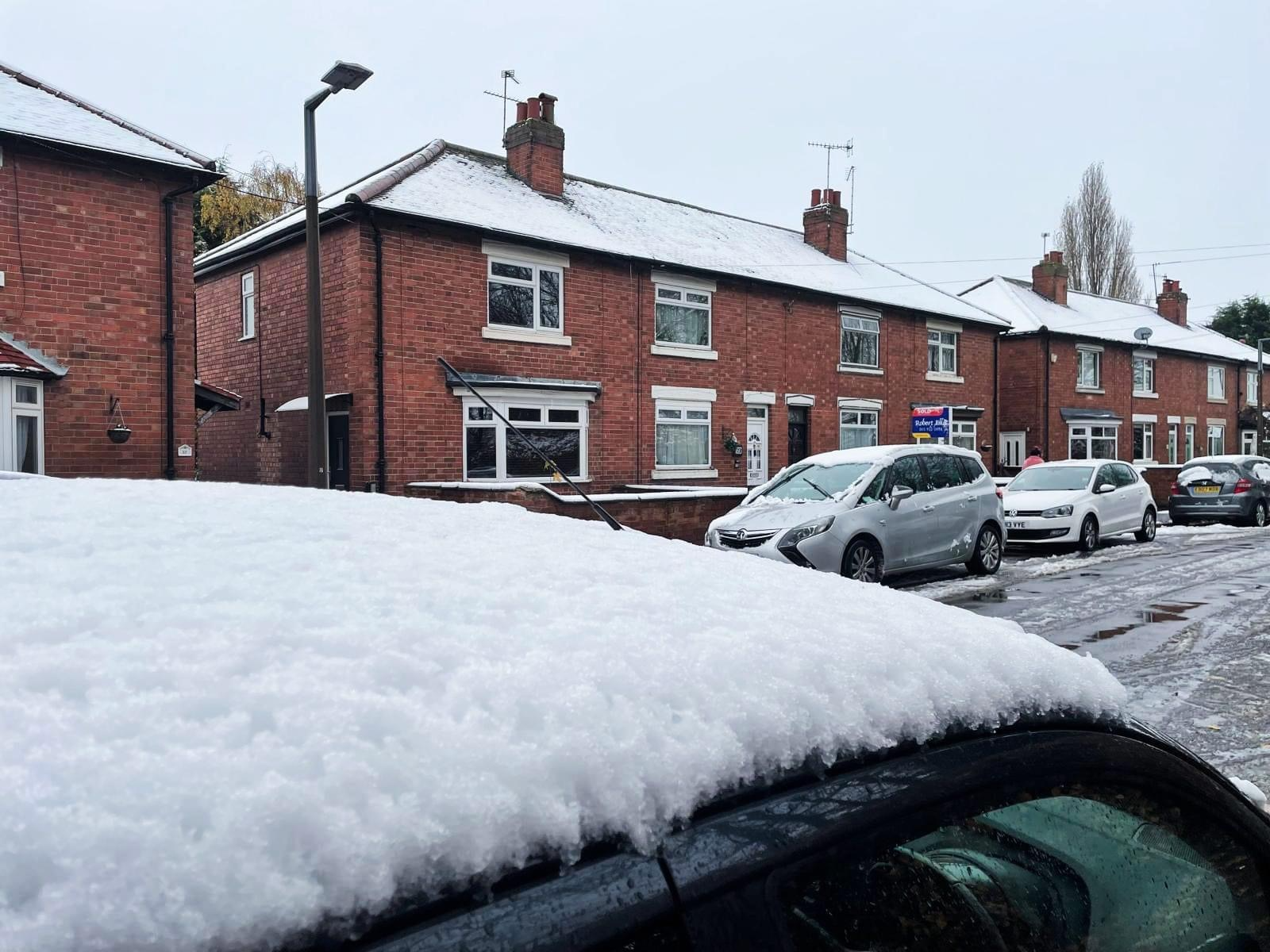
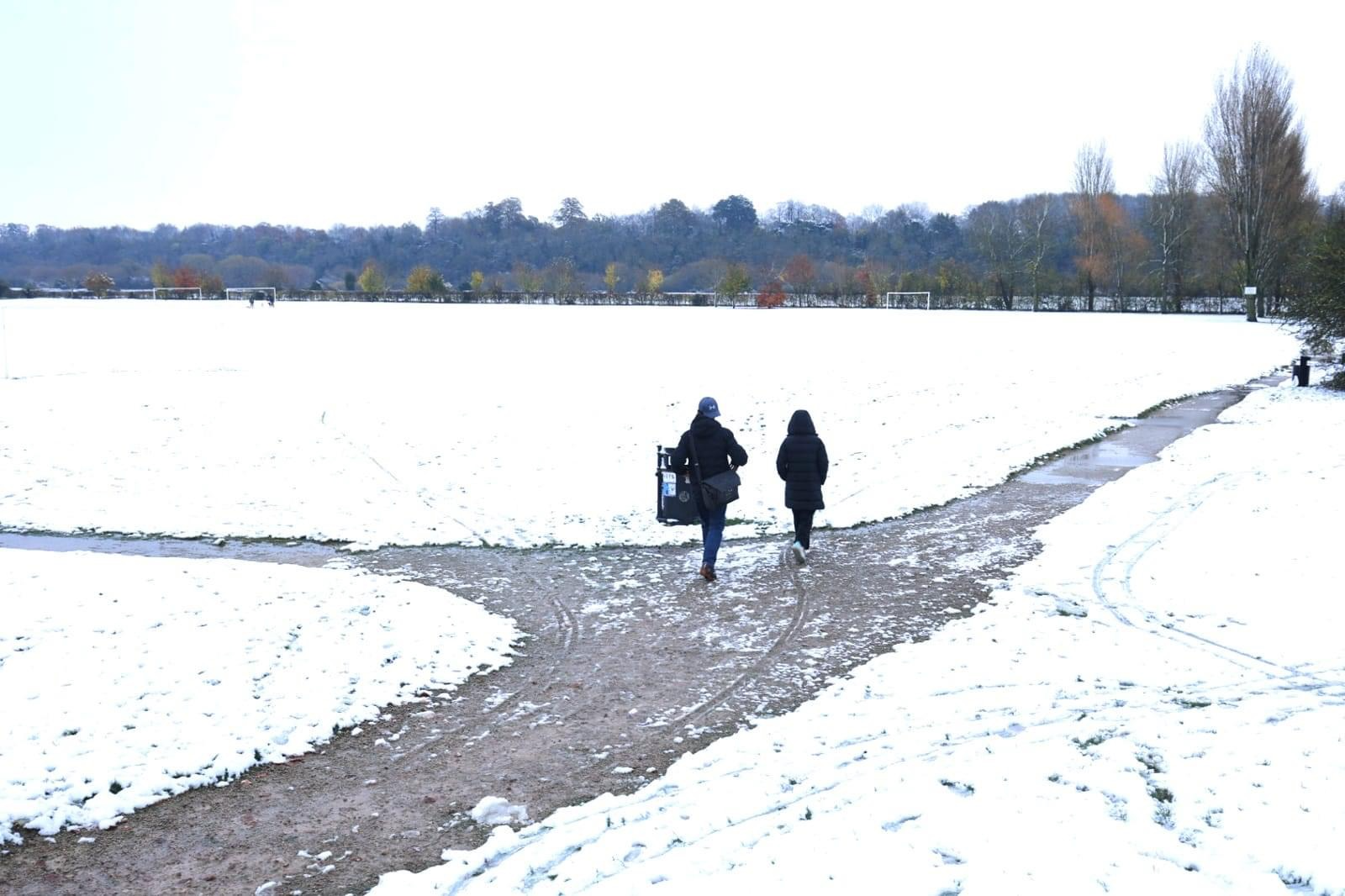
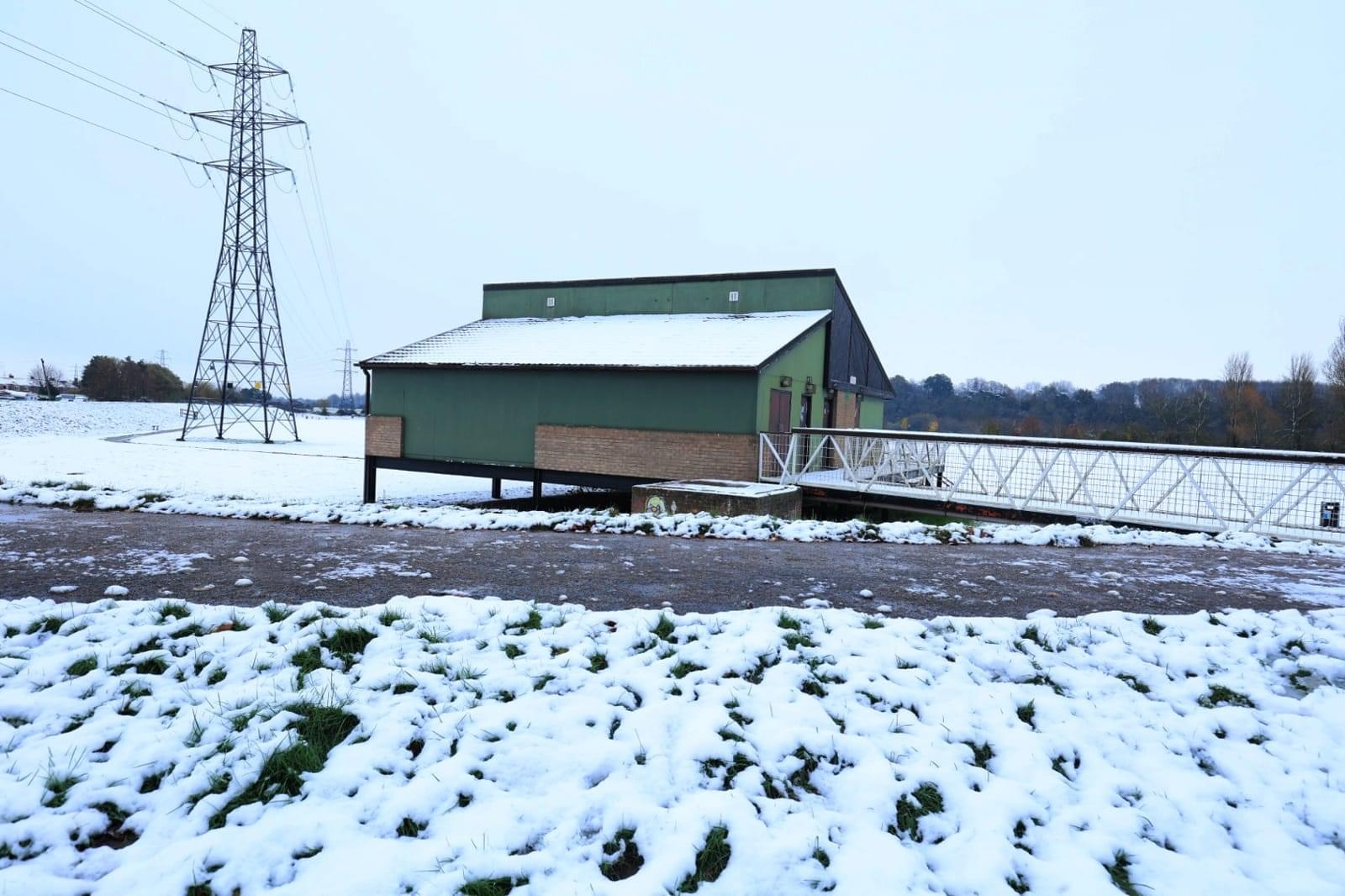
During the Stoicism task, I took time to walk slowly around my neighbourhood—a place I usually overlook. On that day, it unexpectedly snowed, creating a peaceful and magical atmosphere. Walking with my family in the snow reminded me to be present and observe the world around me with calm awareness. This simple moment helped me connect to the Stoic idea of appreciating what’s within our control: our perspective, our pace, and our attitude. I realised that even familiar places can feel new and meaningful when we choose to see them differently. This experience encouraged me to slow down and be more mindful in daily life, and it inspired me to use art as a way of capturing small, quiet beauty.
Overall, this task not only taught me the importance of slowing down but also influenced how I approach both my artistic process and my daily life. By embracing the stillness and appreciating the simplicity of the moment, I hope to bring more depth and mindfulness into my creative work.
cynicism
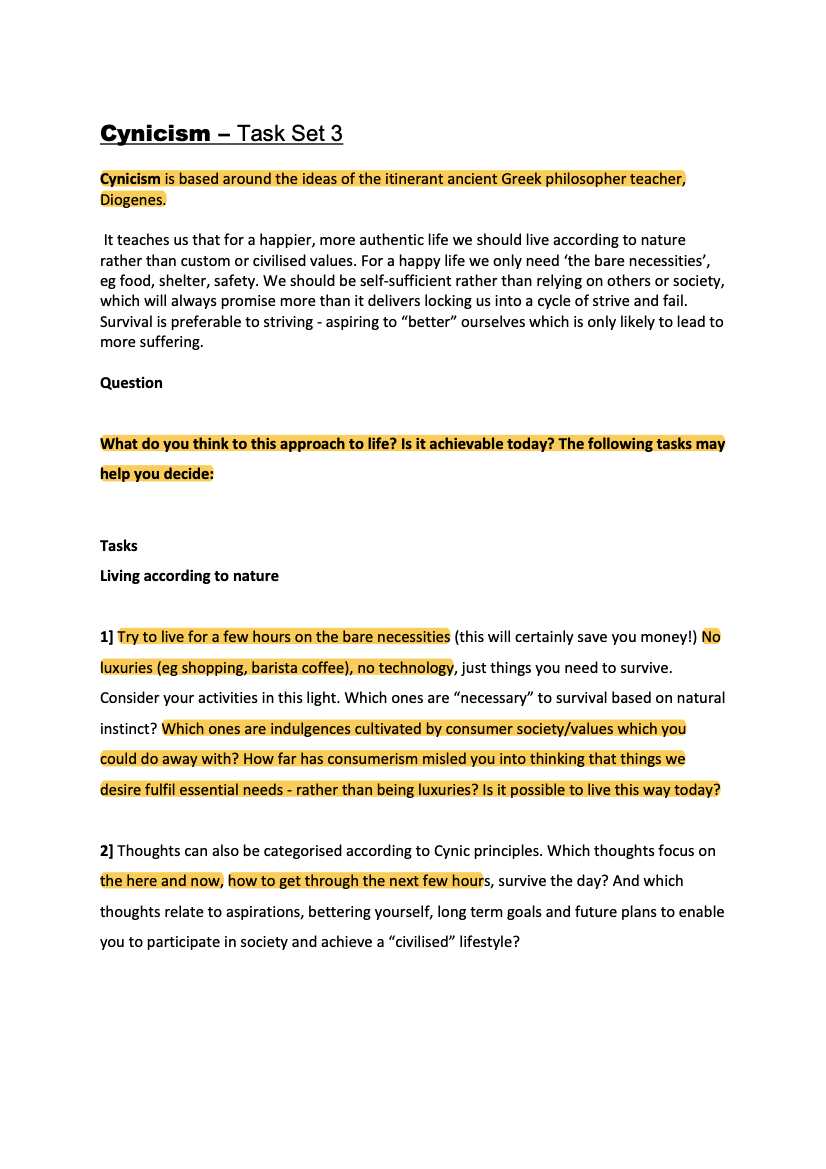
For the Cynicism task, I challenged myself to hang out with my friend without using my phone. At first, it felt unusual, but soon I started noticing the world around me more clearly—people on the bus, conversations, and the view outside the window. Normally, I would be texting or listening to music, but putting the phone away made me more aware and present. This experience helped me understand the Cynic philosophy of rejecting unnecessary distractions and living simply and honestly. It showed me how much I rely on digital habits, and how freeing it can be to disconnect and truly engage with my surroundings and relationships. It was a small change, but it helped me reconnect with the real world in a more meaningful way.
Music Philosophy WorkShop
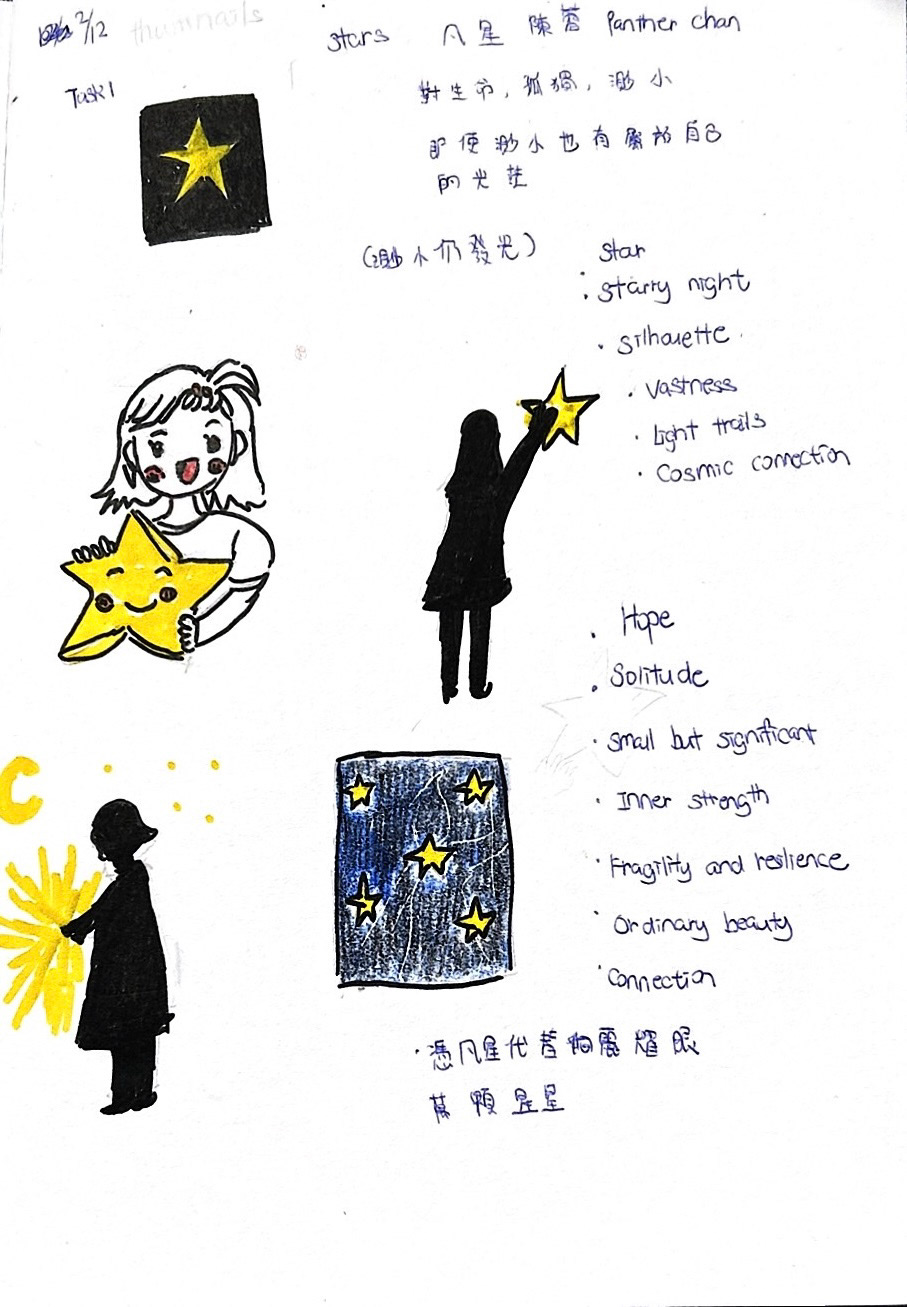
I absolutely love this song because it’s all about hope, perseverance, and the importance of not giving up, even when faced with challenges. The song talks about how, even in the darkest times, there is light to be found. It encourages us to recognize that, although we might feel small in such a vast world, we each have our own unique strength. It’s a reminder that no matter the obstacles, we have the ability to find positivity within ourselves and to keep moving forward.
One of the things I find most powerful about the song is its message of traveling—not just physically, but also emotionally and mentally. The idea of traveling to different countries in the song symbolizes personal growth, new experiences, and the exploration of the unknown. It encourages us to step out of our comfort zones and to embrace the unfamiliar with courage and optimism.
This message deeply resonated with me because, like the song suggests, travel has always been a way for me to discover new perspectives and build connections with the people I love. It reminded me of my own trips with family and friends, where even the smallest moments of joy and togetherness made the journey memorable. The song’s message gave me a sense of clarity and direction, especially when thinking about the emotional aspects of travel—how it shapes us, how it strengthens relationships, and how it leaves us with lasting memories.
This workshop, and the song in particular, inspired me to think about my own creative practice. I realized that, much like the journey described in the song, my art can be a way of navigating through challenges and finding new possibilities. Whether it’s exploring different mediums, diving into new themes, or reflecting on personal experiences, I want my work to express the same hope and optimism the song conveys—reminding people that there’s always a way to move forward, no matter the hurdles.
Collect yourself WorkShop
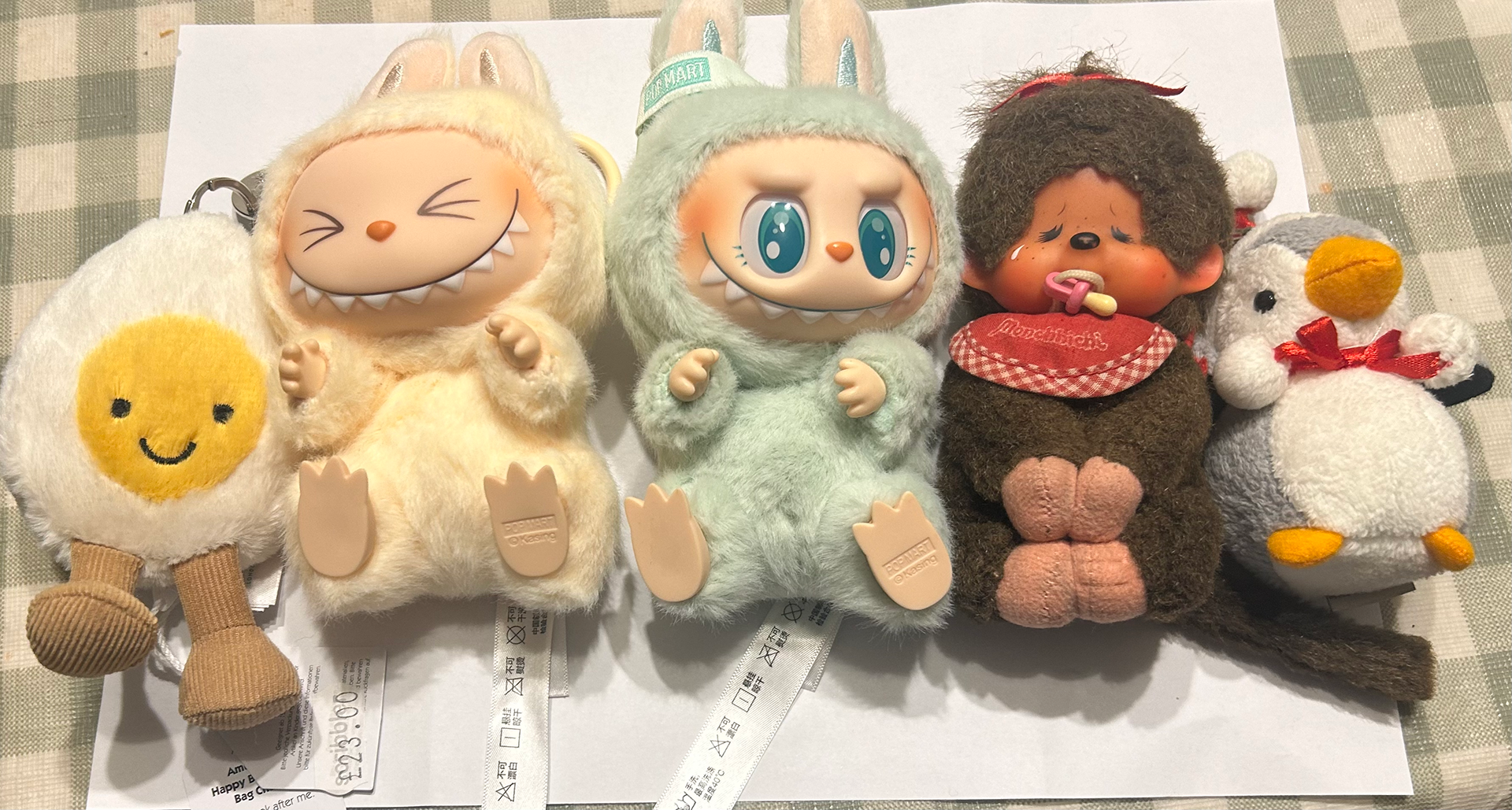
During this workshop, I created a short story about a little girl who was feeling sad and crying at home. Suddenly, one of her dolls, almost like a fairy, appeared and asked her why she was crying. This moment of magical realism helped me explore the theme of loneliness and comfort, where the doll becomes a symbol of emotional support for the little girl. The story portrays how sometimes we need someone (or something) to listen and understand our feelings, and in this case, the doll provides the comfort the girl needs to open up.
This project was a wonderful opportunity to combine my love for storytelling with my interest in collecting dolls—objects that hold emotional significance. I wanted the doll to represent a comforting, magical presence in the story, much like how my own collection of dolls carries personal memories and feelings.
In addition to creating the story, I also had the chance to observe other classmates’ collections, which was equally inspiring. One fun fact I learned was that one of my friends had a collection of tools such as glue ,tape , scissors ,rule while another collected candy wrappers with intricate illustrations and vibrant color. Seeing the variety of things people collect made me reflect on how we assign meaning to the objects around us, and how this meaning can be used to enhance storytelling.
This workshop not only allowed me to experiment with narrative but also helped me realise how collections—whether dolls, glue, or candy wrappers—can become part of a deeper emotional story. Through this process, I learned that objectsin a story are more than just physical things; they can be rich symbols that add depth and meaning to the narrative.
Beautiful Mundane WorkShop
Question
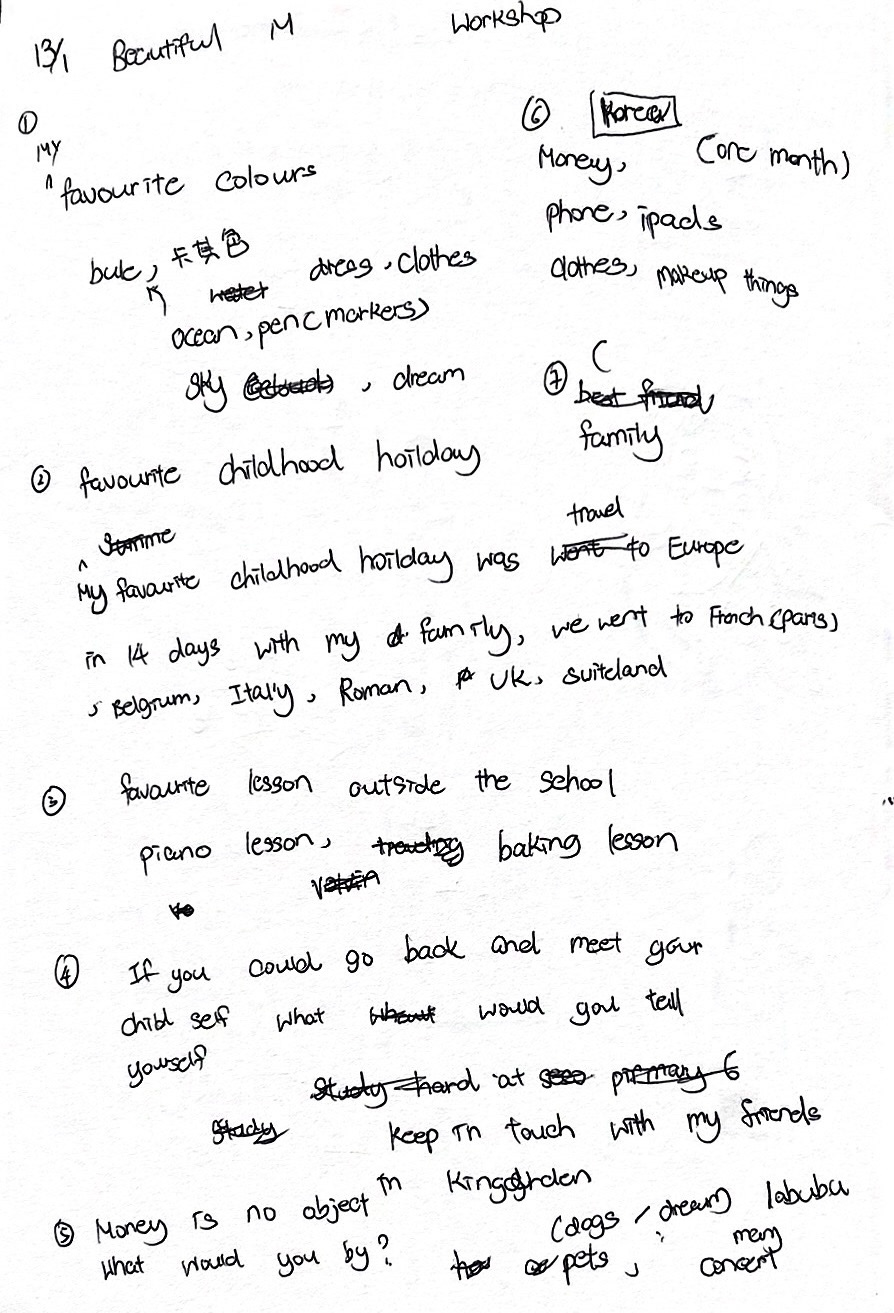
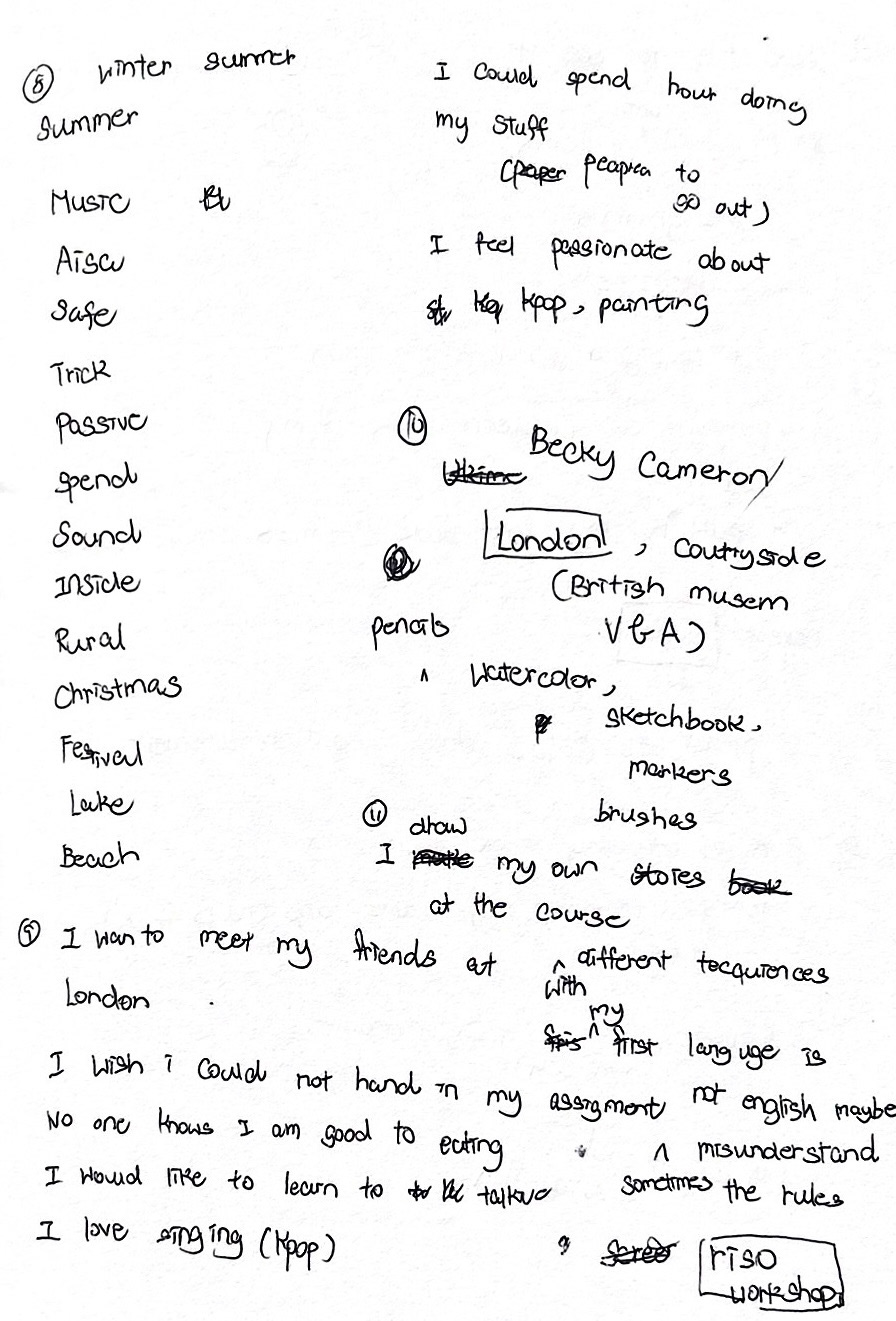
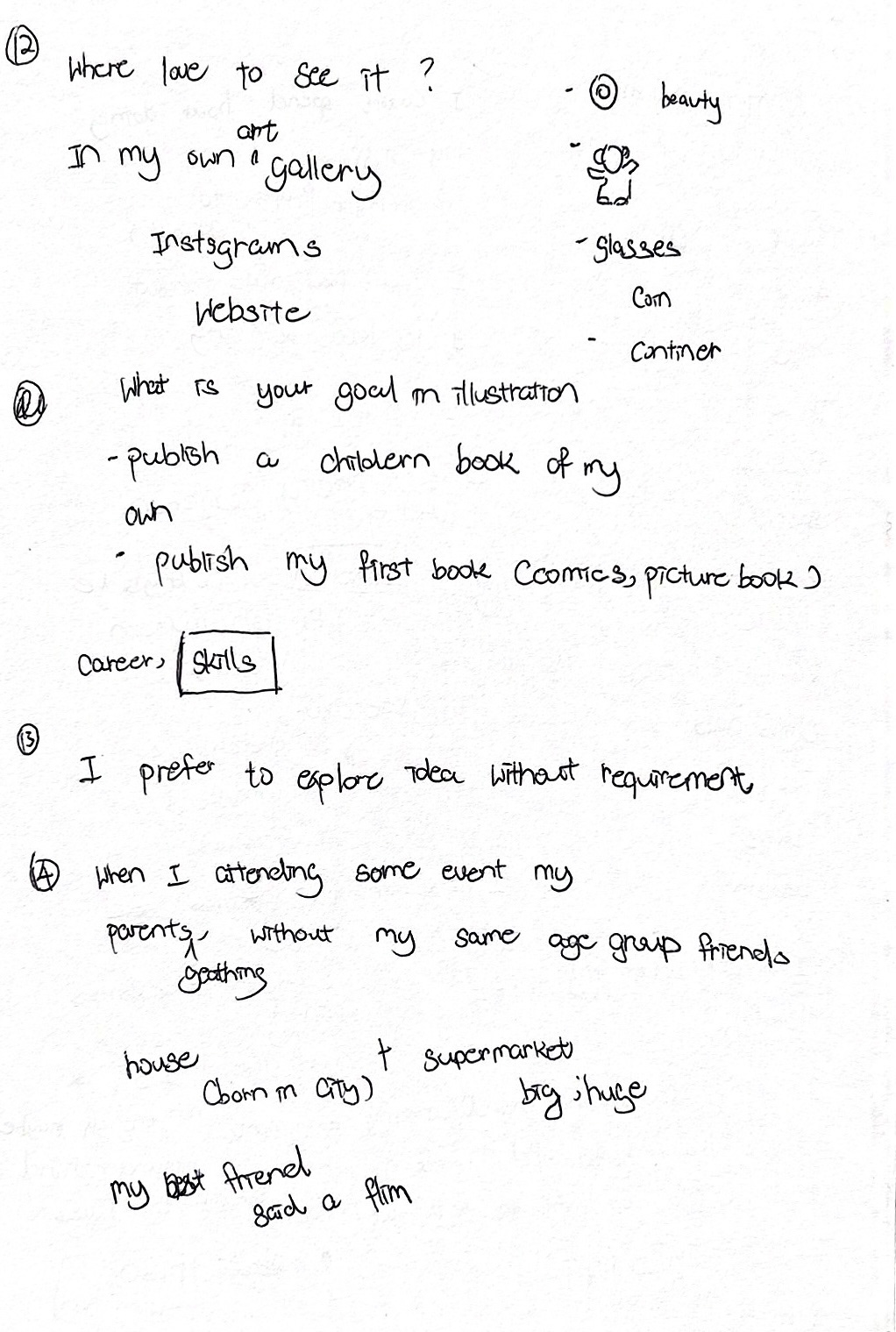
In this workshop we got a little task in the lesson, the task is about ourselves, what we like, we have different choice in ,like summer or like winter which countries is our favorite.
Riso WorkShop
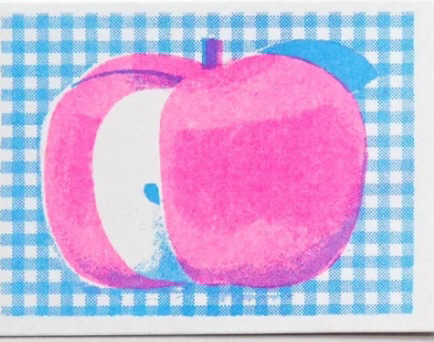
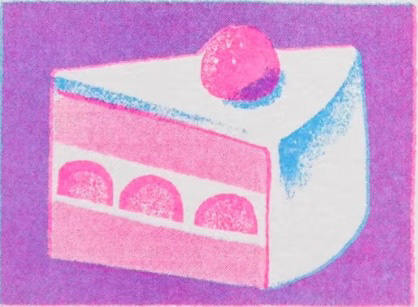
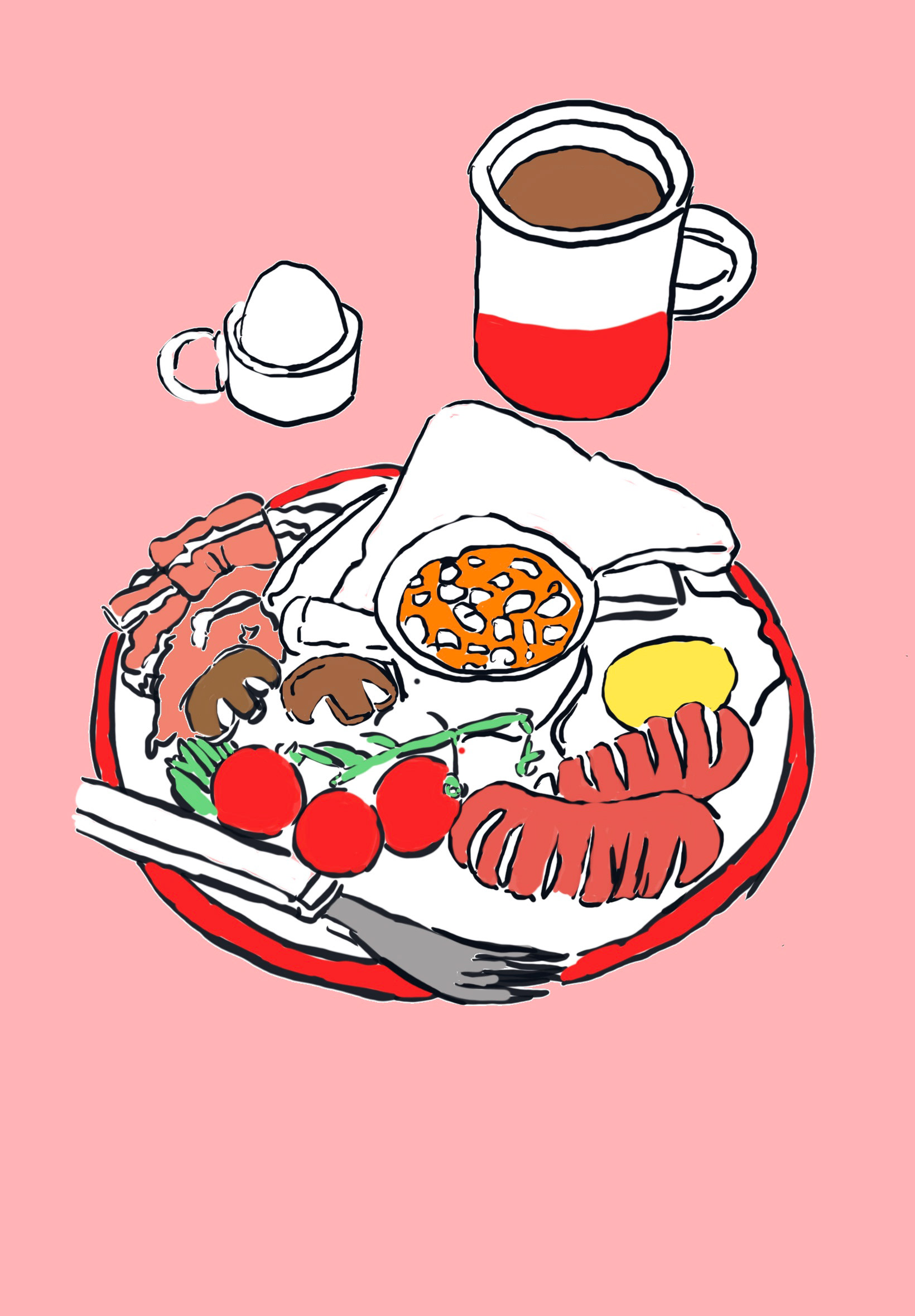
In this workshop, we had an opportunity to try risograph printing. I decided to draw a food that I often eat, like the apple and cake , something that feels familiar and comforting to me. It was really interesting to see how the texture and colours turned out using the riso machine. The process is very different from digital drawing—it has a more handmade, imperfect quality, which I really liked.
Choosing a food that I personally enjoy made the task feel more meaningful. It’s not just about the drawing, but also about sharing a small part of my everyday life through art. I realised that even something as simple as food can tell a story about who we are, where we come from, and what we value.
This exercise helped me think about how to express personal experiences in visual ways, and how something ordinary can become special when you look at it from a creative perspective.
Stencils
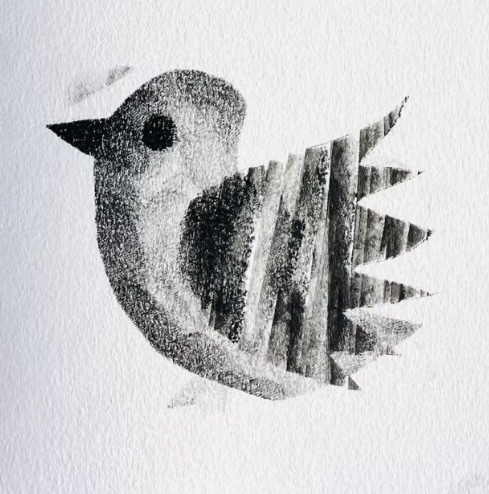
The stencil workshop was one of my favorite workshop , I feel I can create some images and , work that I like ,and I like to try different textures , stamps is a good ways to let me try different materials in my works .
Part2 Choose one pathway
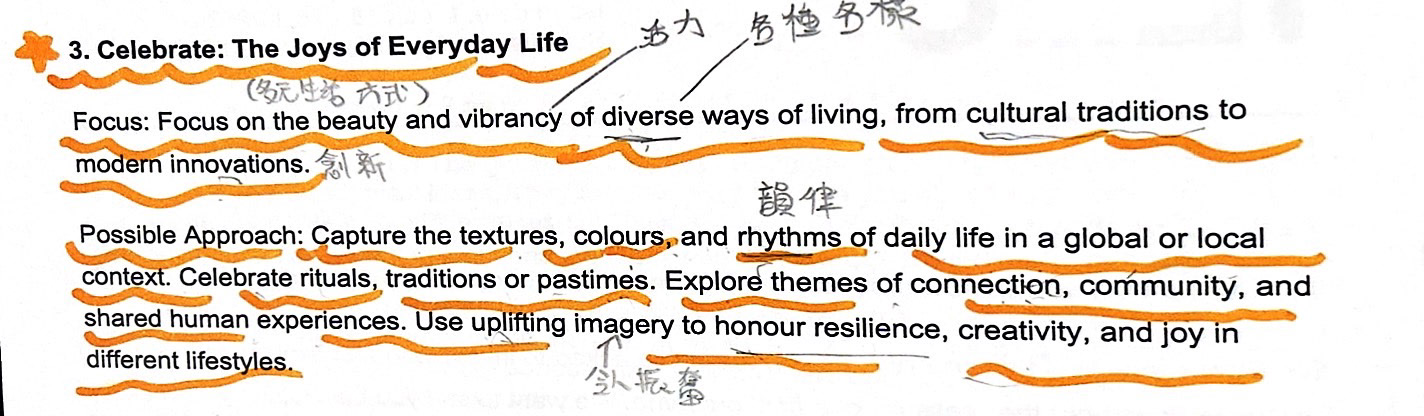
In the second part of the brief, I decided to explore the theme of travel with my family and friends. The inspiration for this came from the Music Philosophy Workshop, where the theme of the song—hope, courage, and traveling to different countries—deeply resonated with me. The song made me reflect on my past family trips, reminding me of the emotions, memories, and connections that come with traveling together. It wasn’t just about the places we visited, but about the moments we shared, the laughter, and the quiet moments that stay with us long after the trip is over.
I realized that what I wanted to explore wasn’t just the destinations we travel to, but the feeling of being with the people I love. It’s those small, seemingly insignificant moments—like sitting together in a café, sharing a simple meal, or walking through a quiet street—that become lasting memories. These are the moments that, for me, define the true essence of travel.
This realization has influenced my approach to this project. Instead of focusing purely on the locations or famous landmarks, I want to capture the emotional essence of traveling with loved ones. I’m interested in portraying the connections we make through shared experiences, and how these moments shape our memories and identities. It’s about capturing the warmth of a simple moment and how it can stay with you, long after the trip is over.
This theme of emotional connection also ties into my growing interest in storytelling. Just like the song inspired me to think about travel in a deeper way, I want to bring those emotions into my work, whether through drawings, stories, or other mediums. It’s about using art to evoke feelings of connection, nostalgia, and the shared joy of experiencing the world with the people you care about.
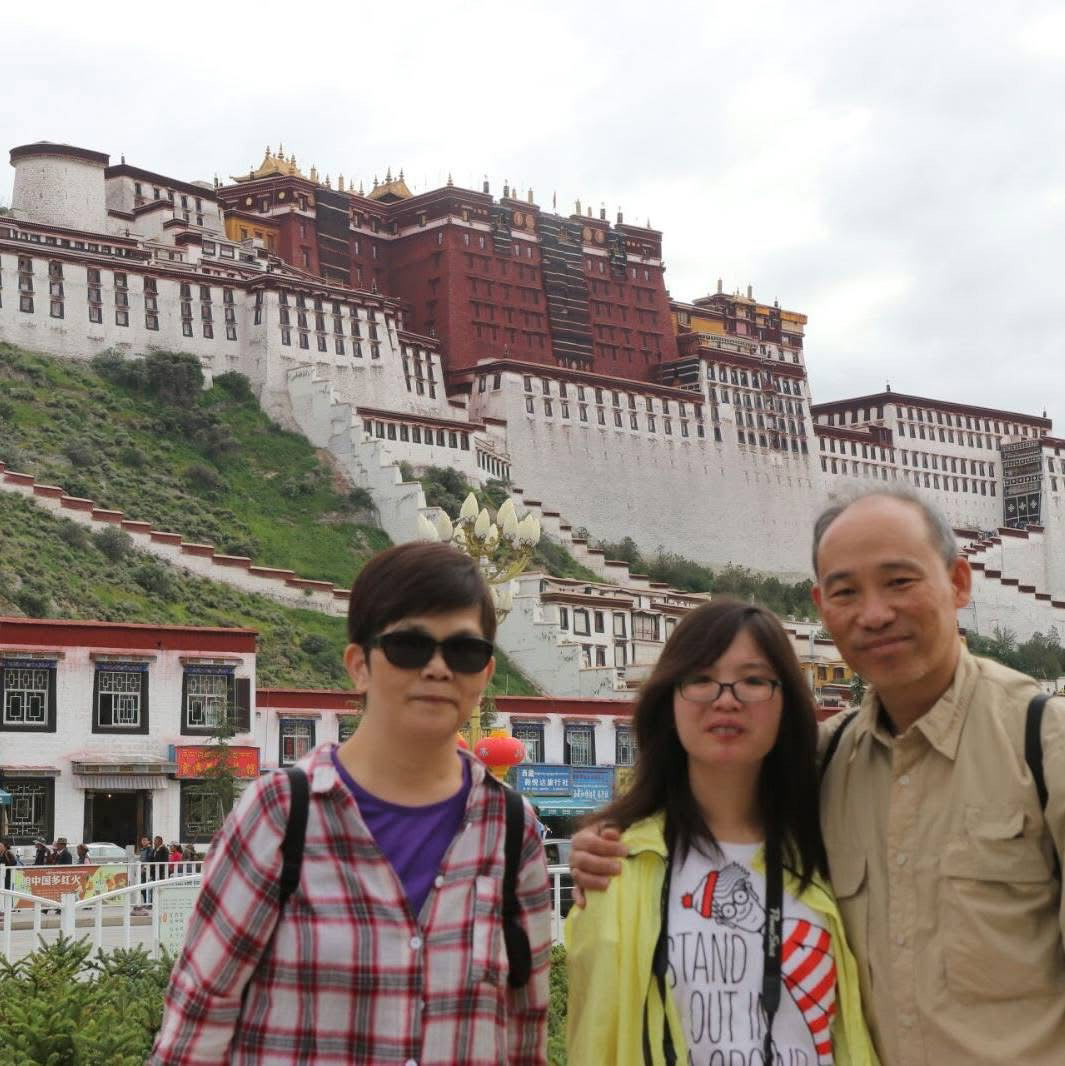
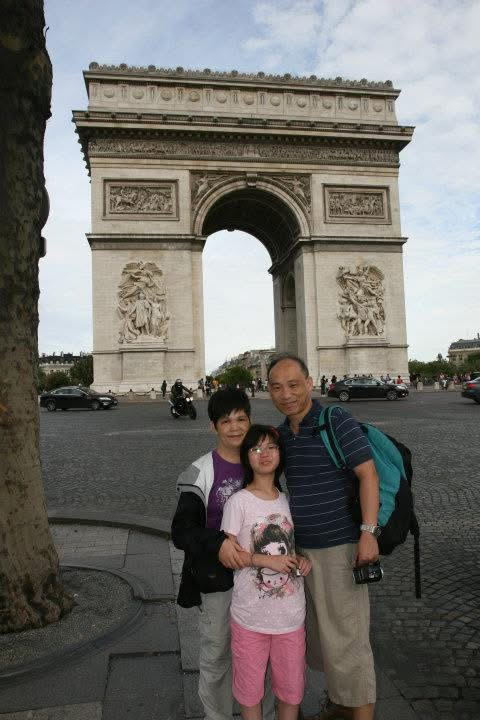
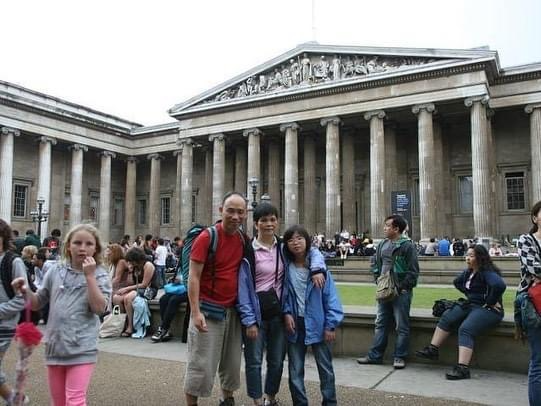
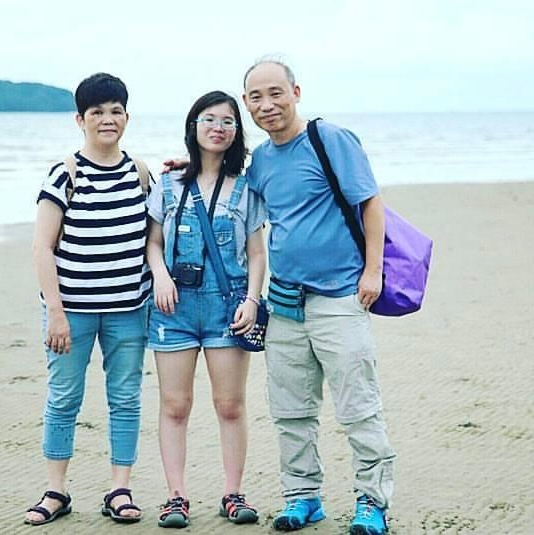
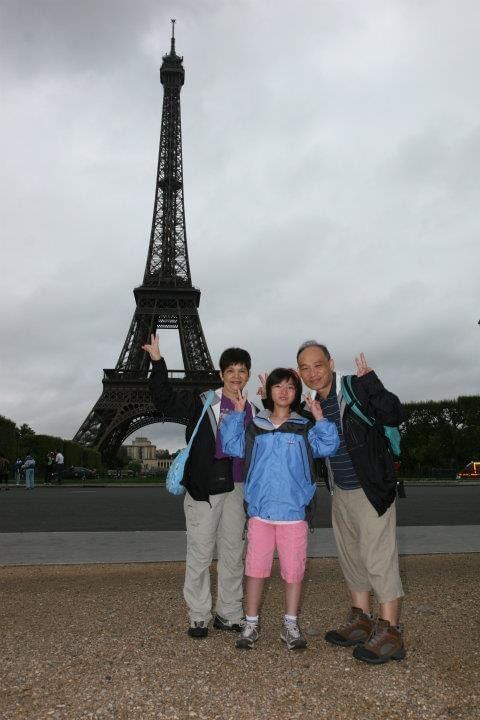
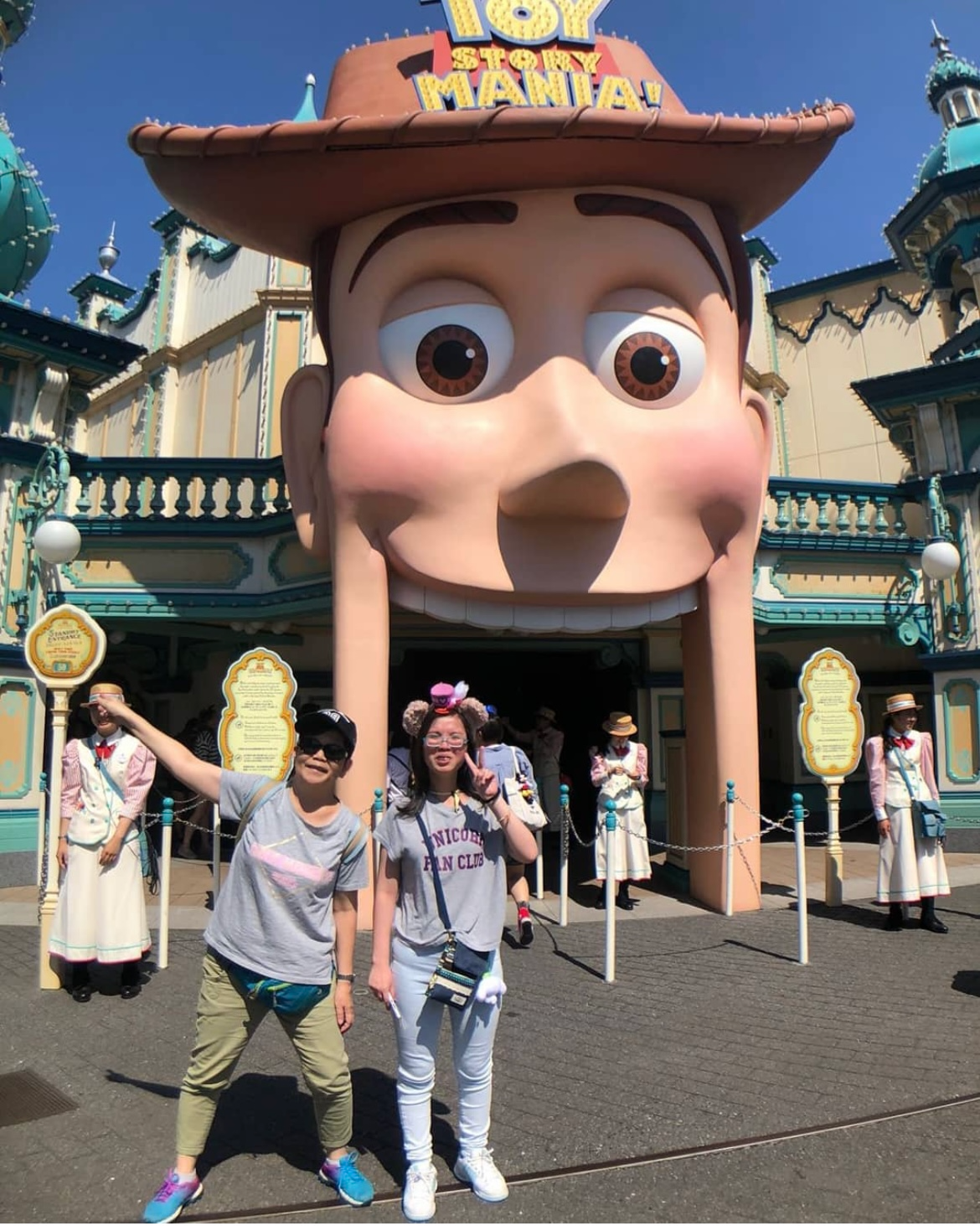
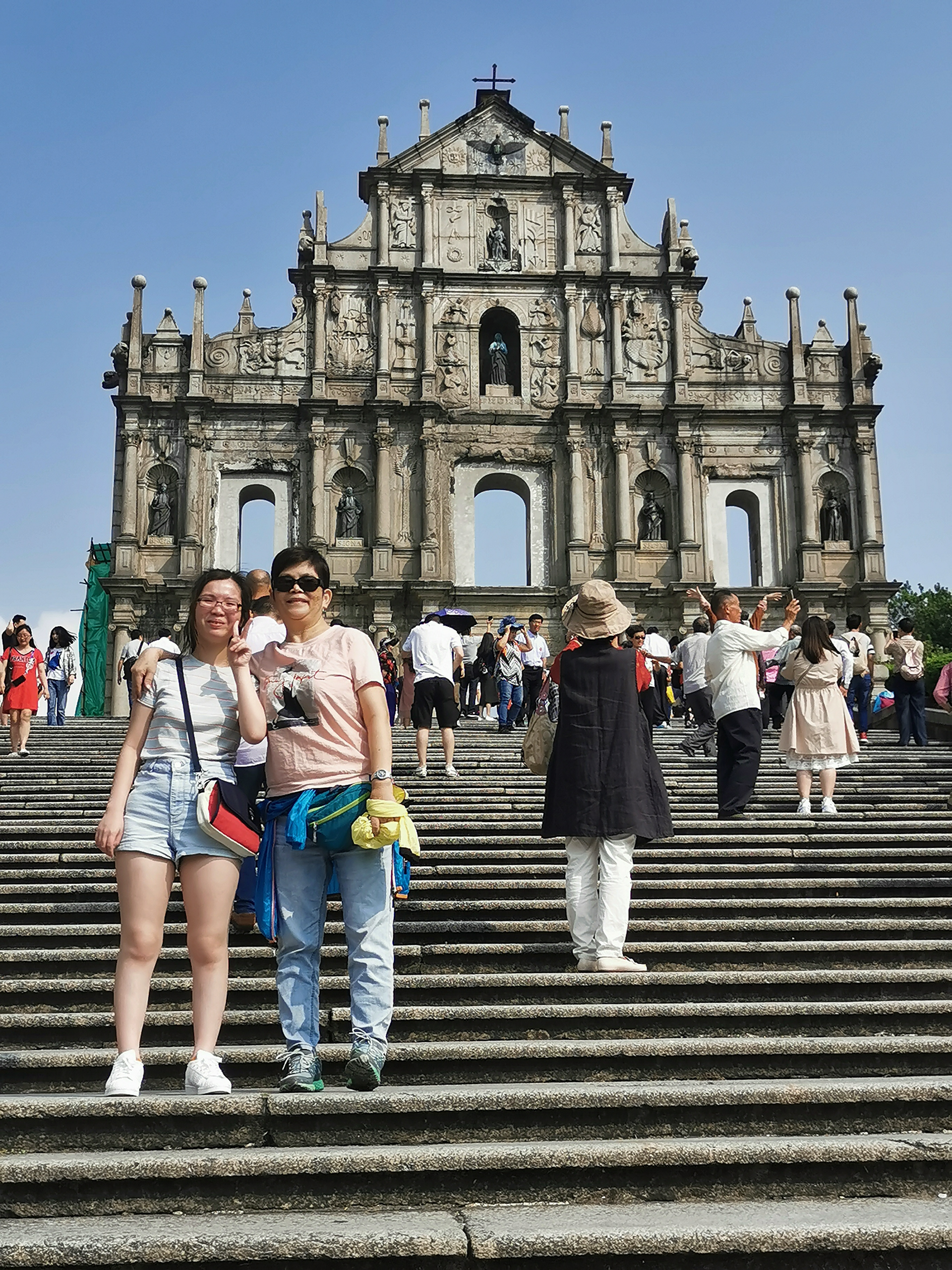
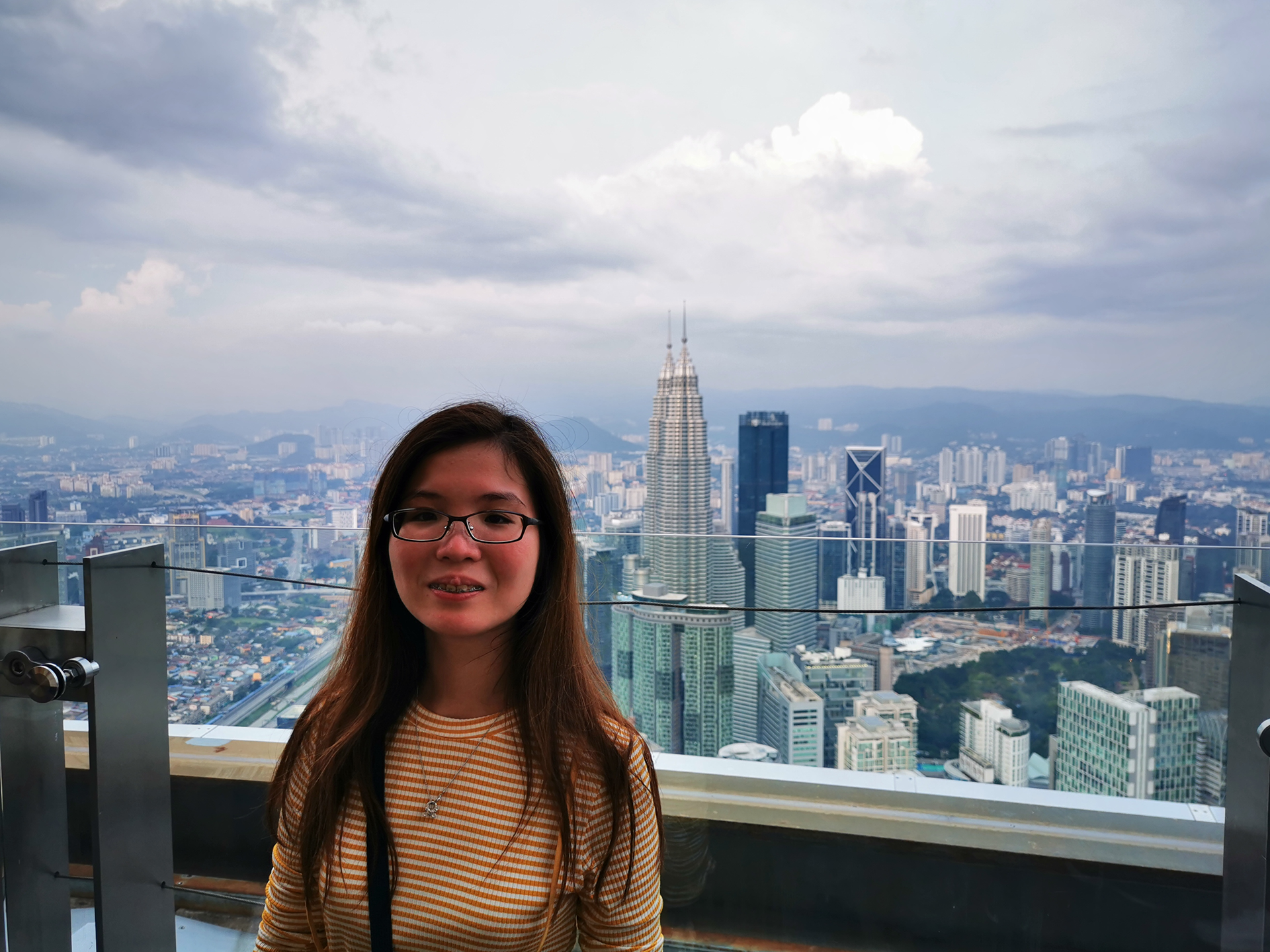
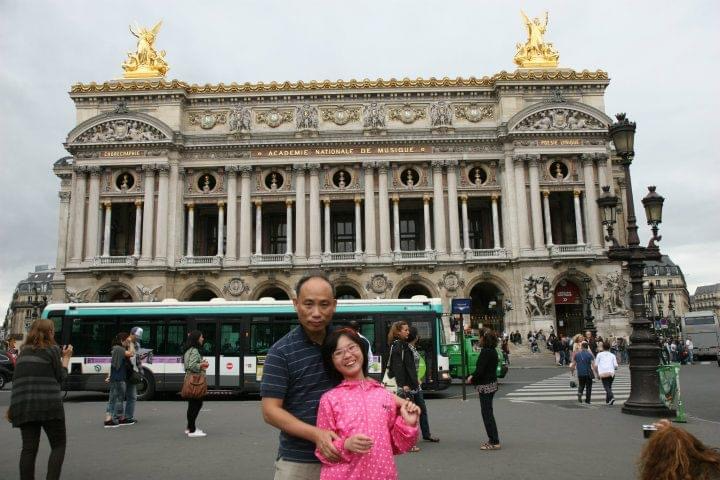
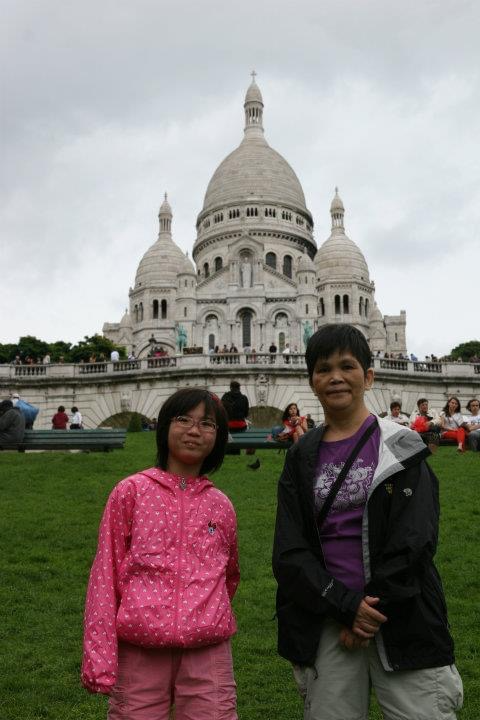
I was plaining to create a zine about my traveling to different attractions and travel around Hong Kong ,to explore more place I went
I enjoy , explore observational drawing
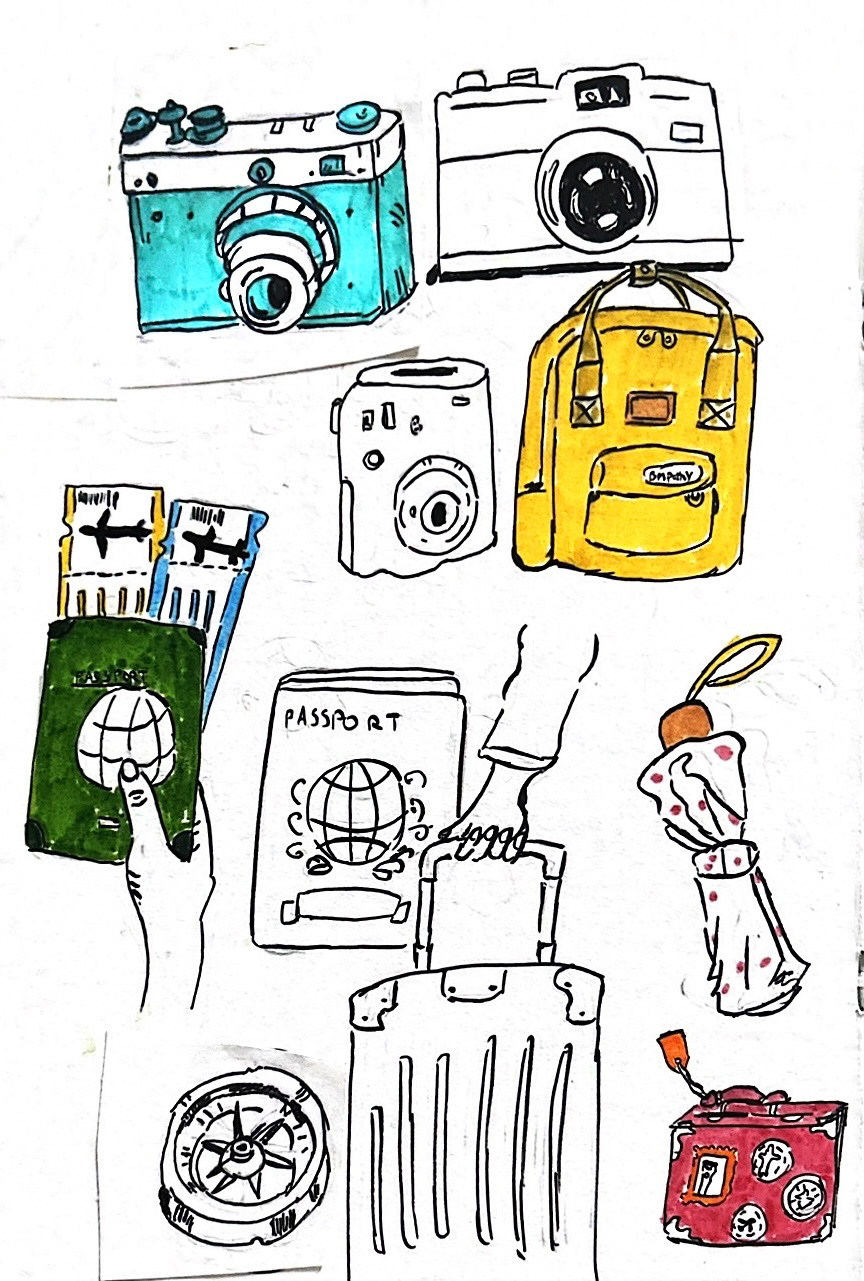
Research
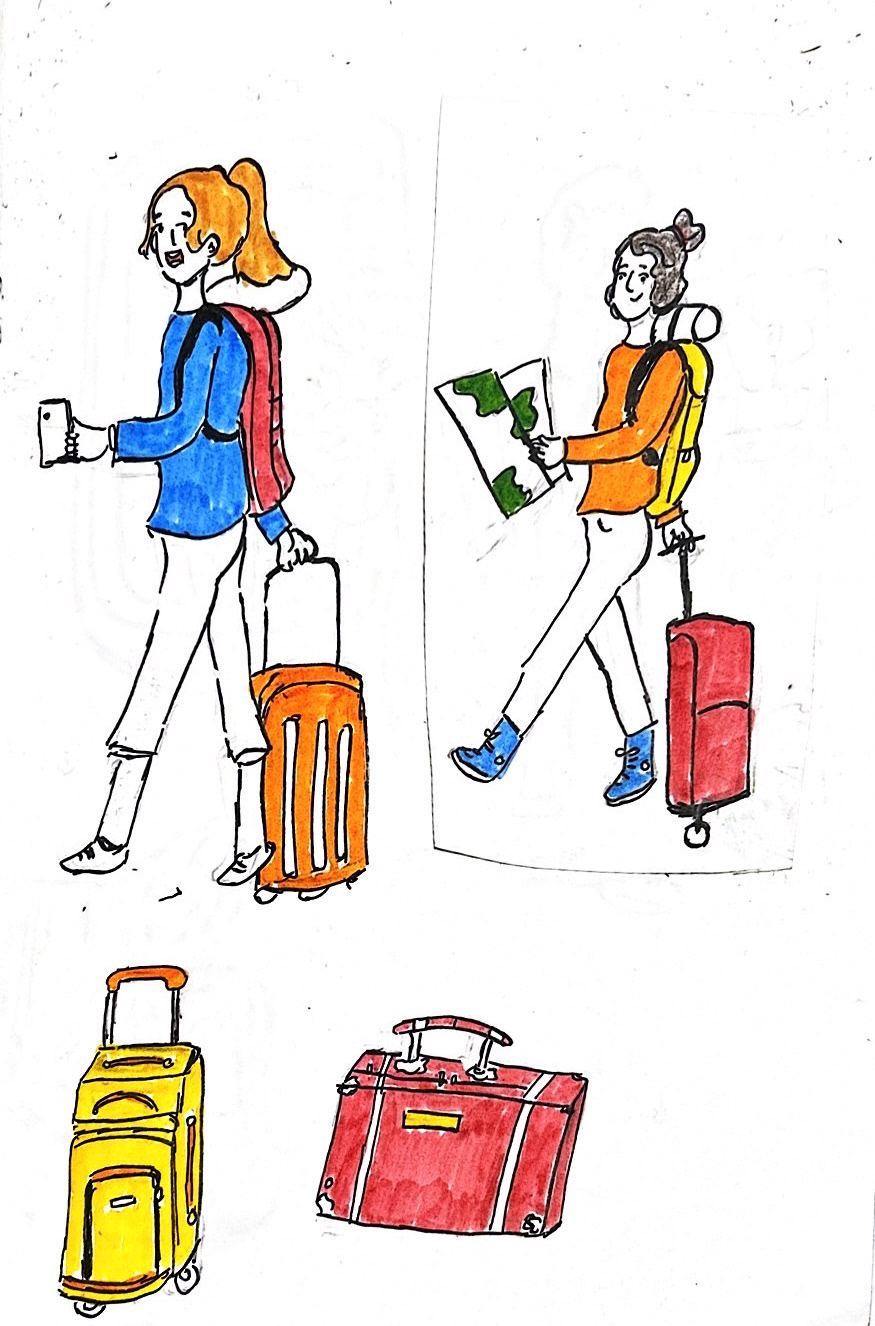
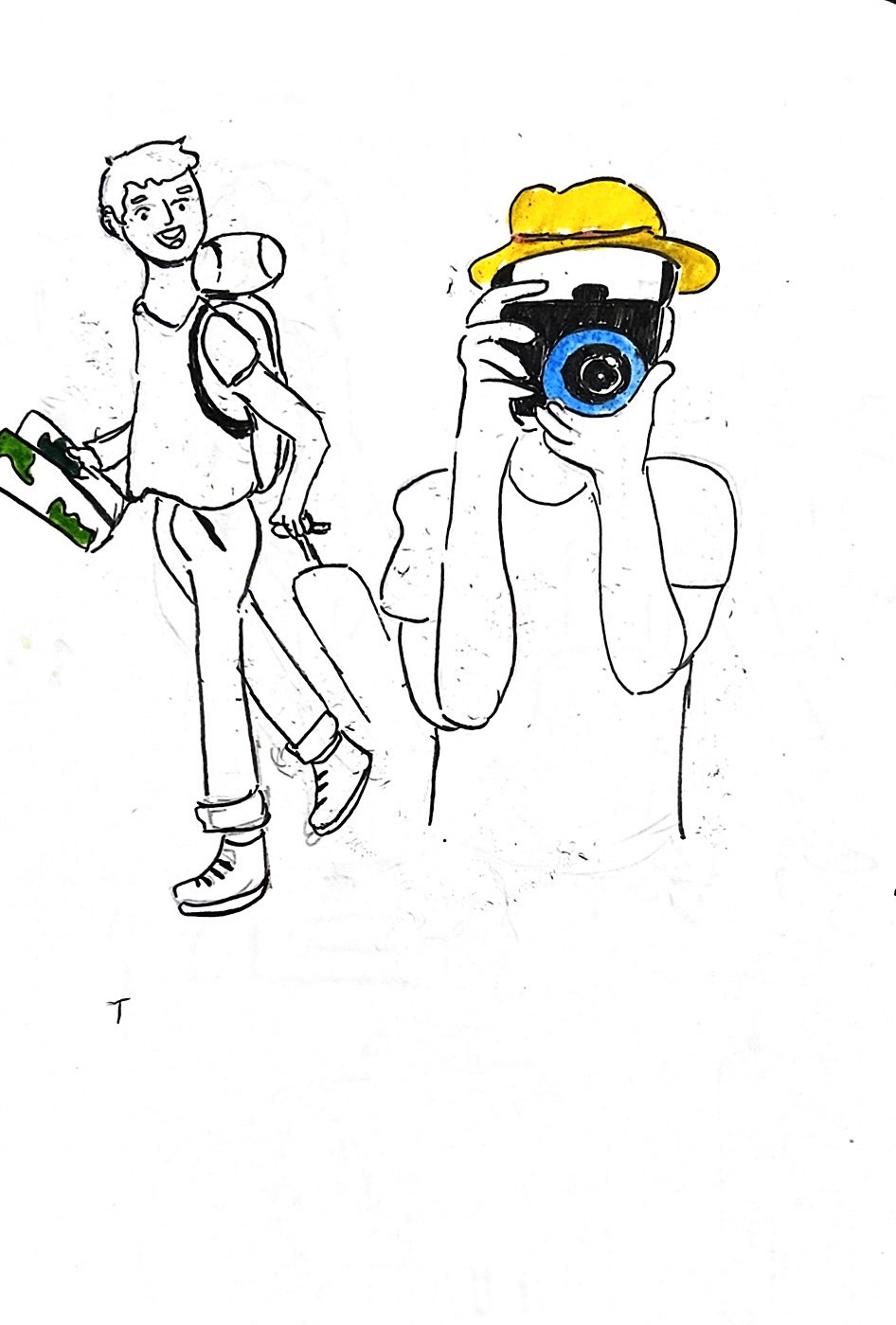
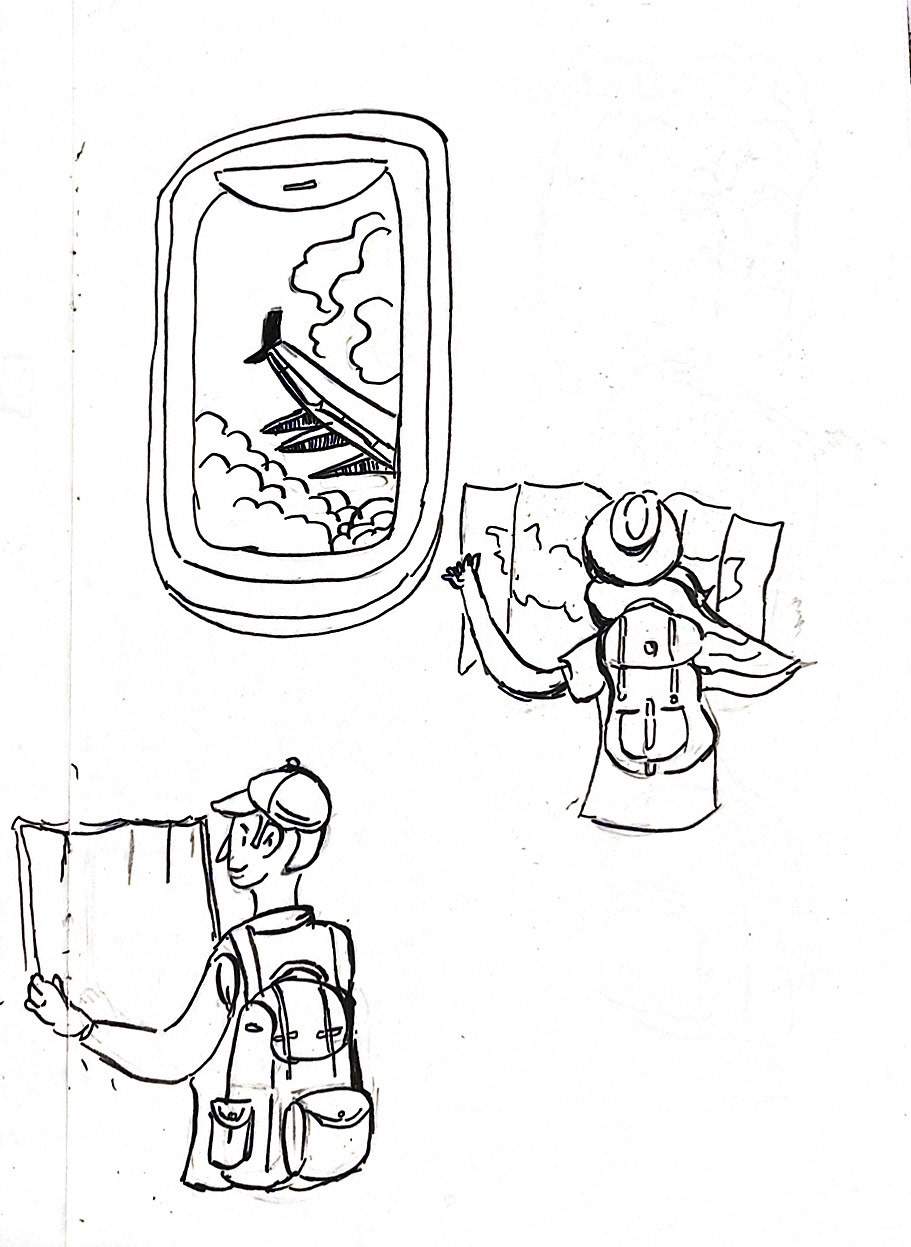
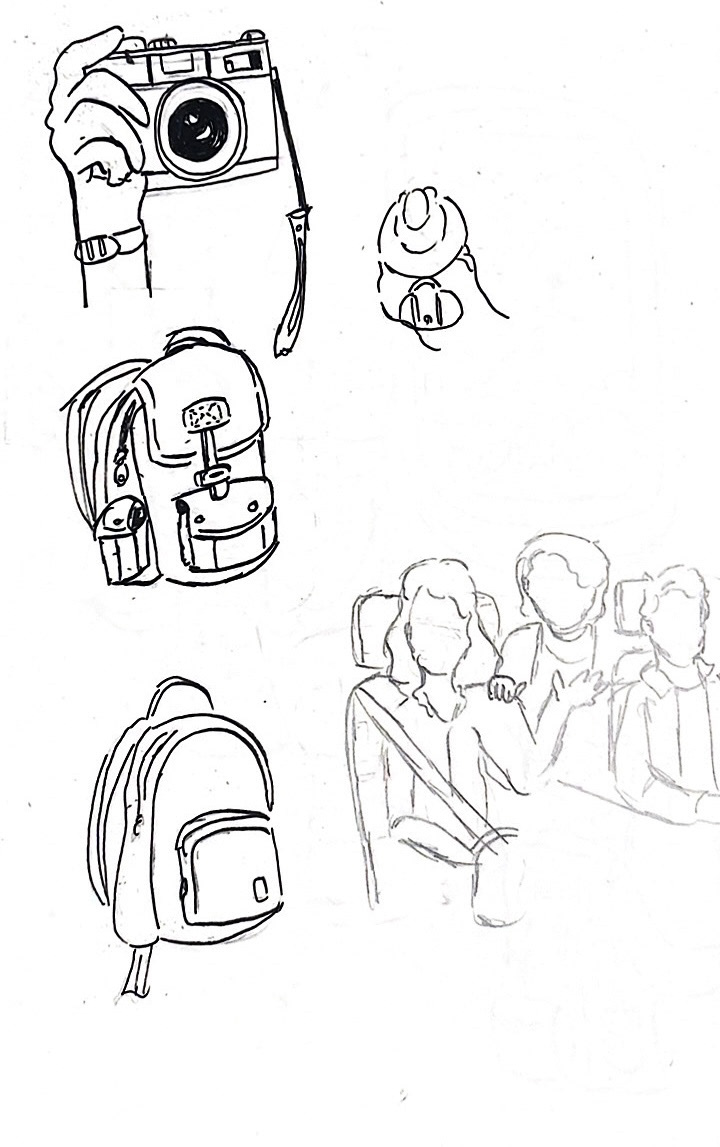
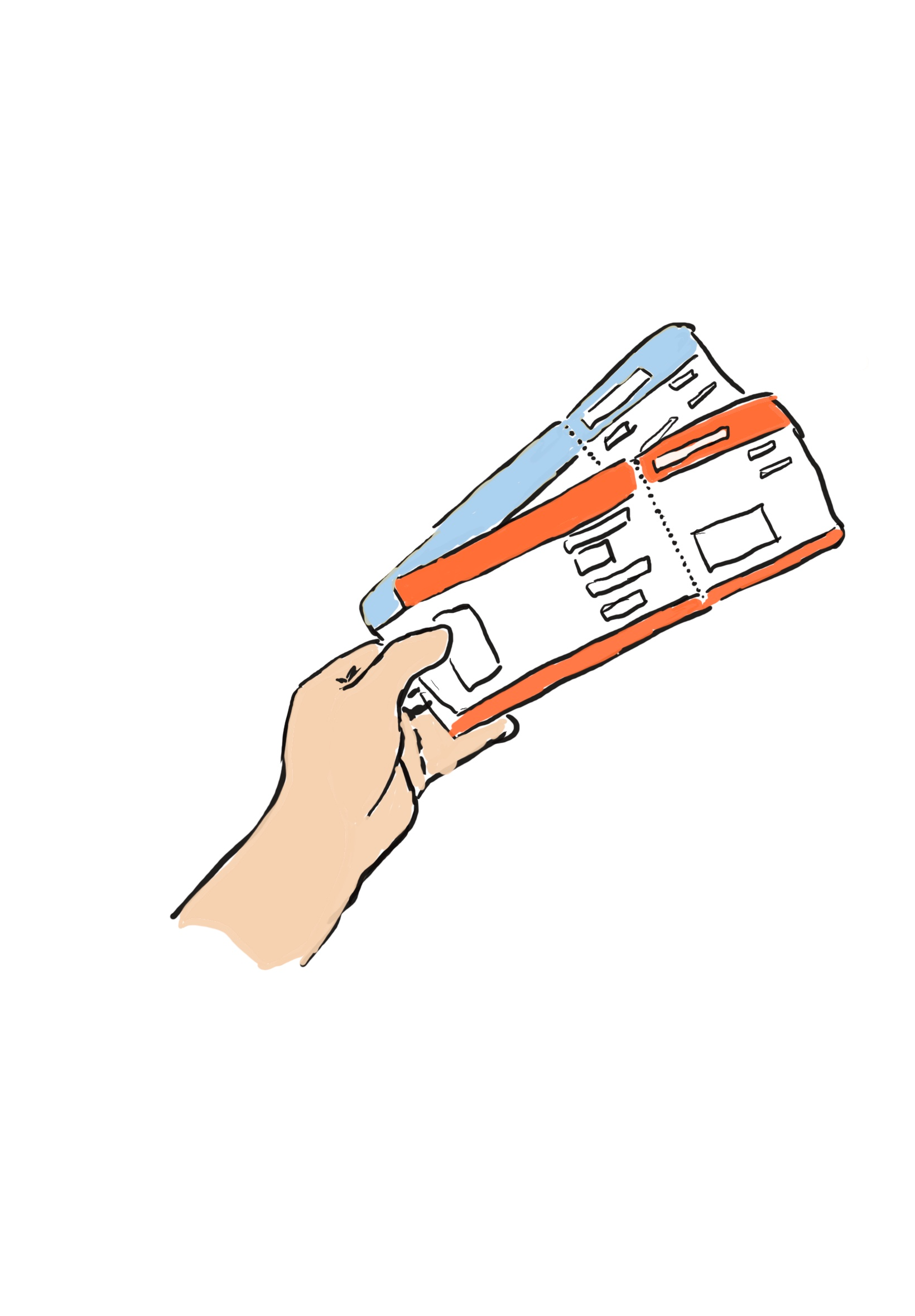
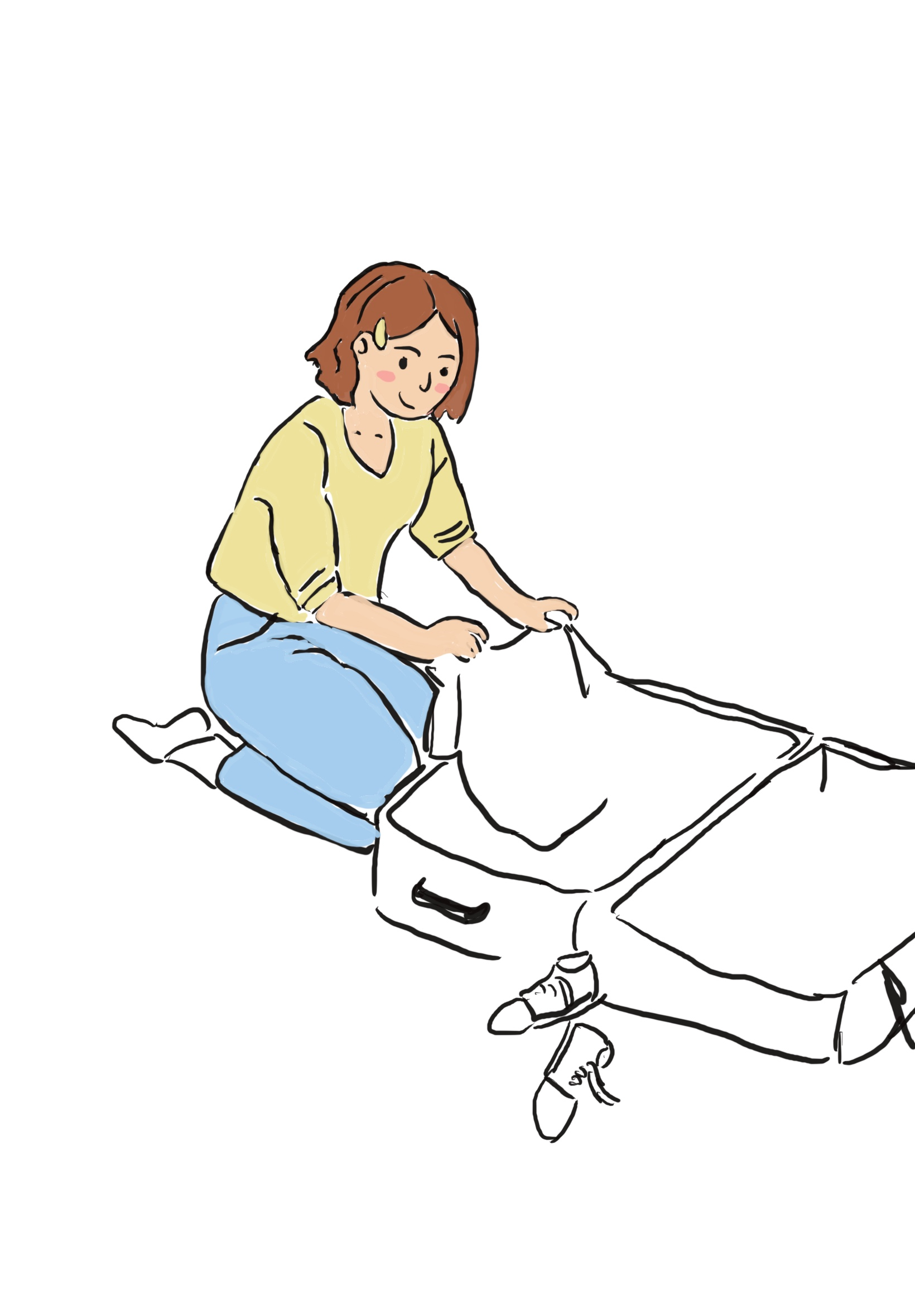
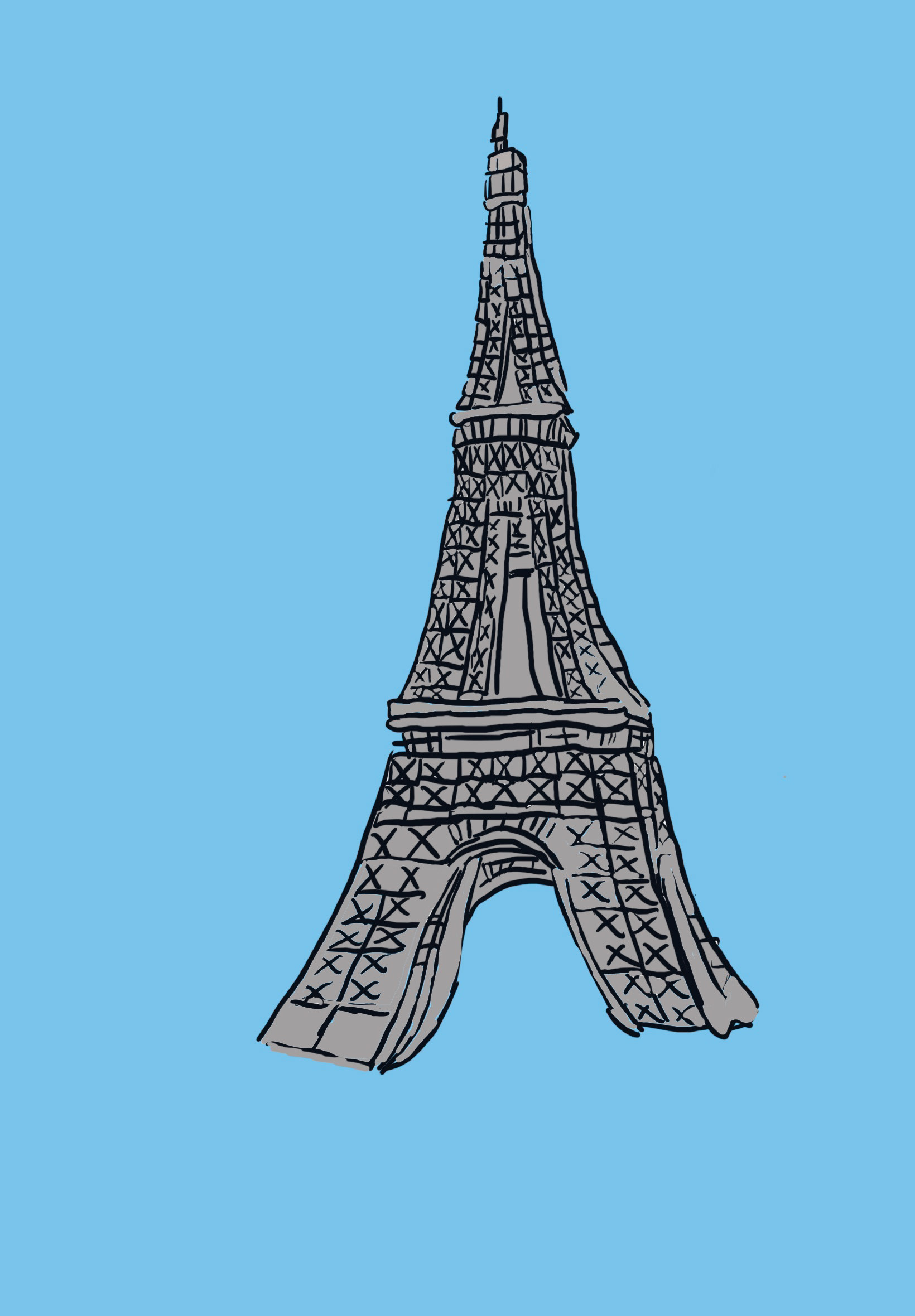
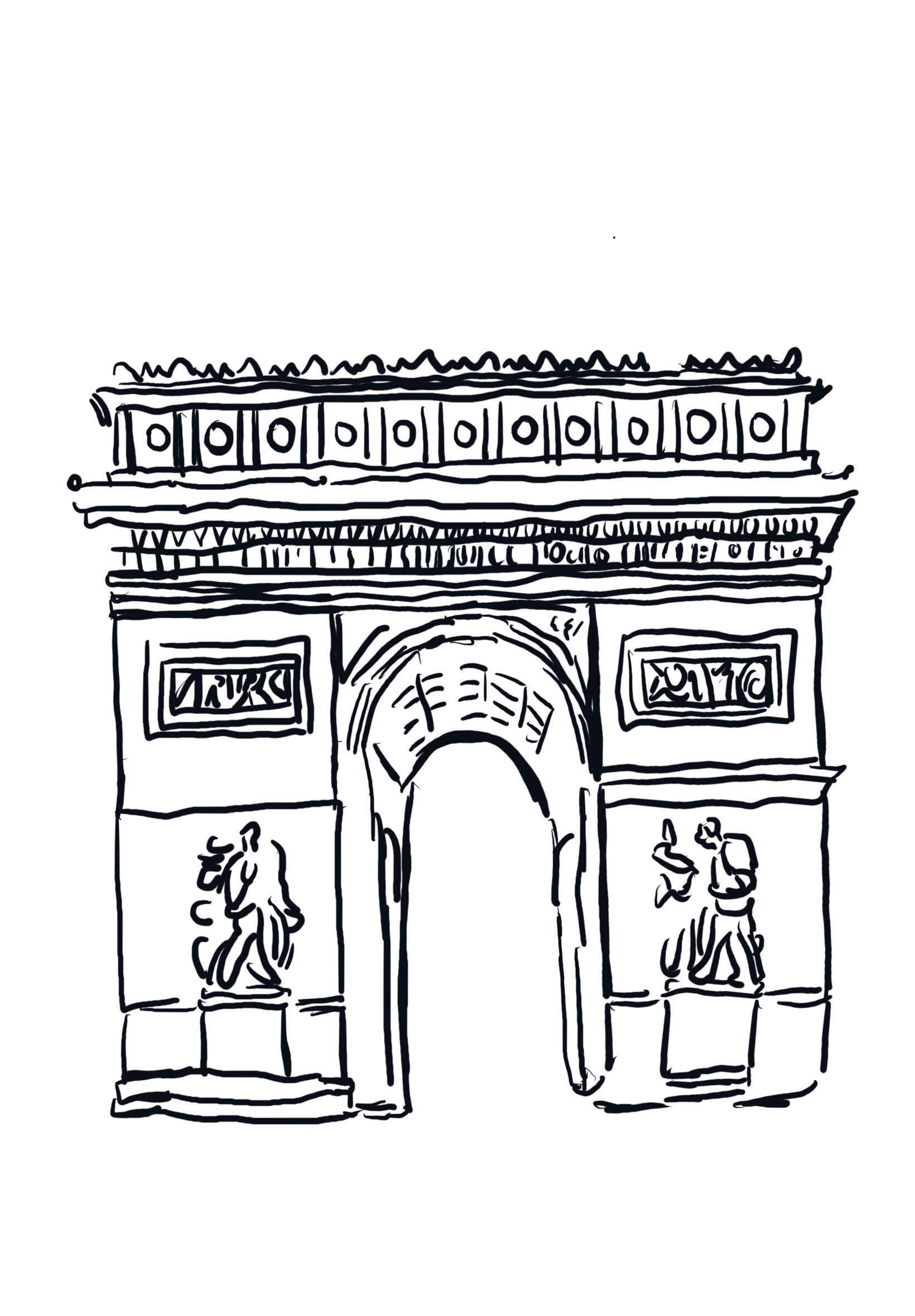
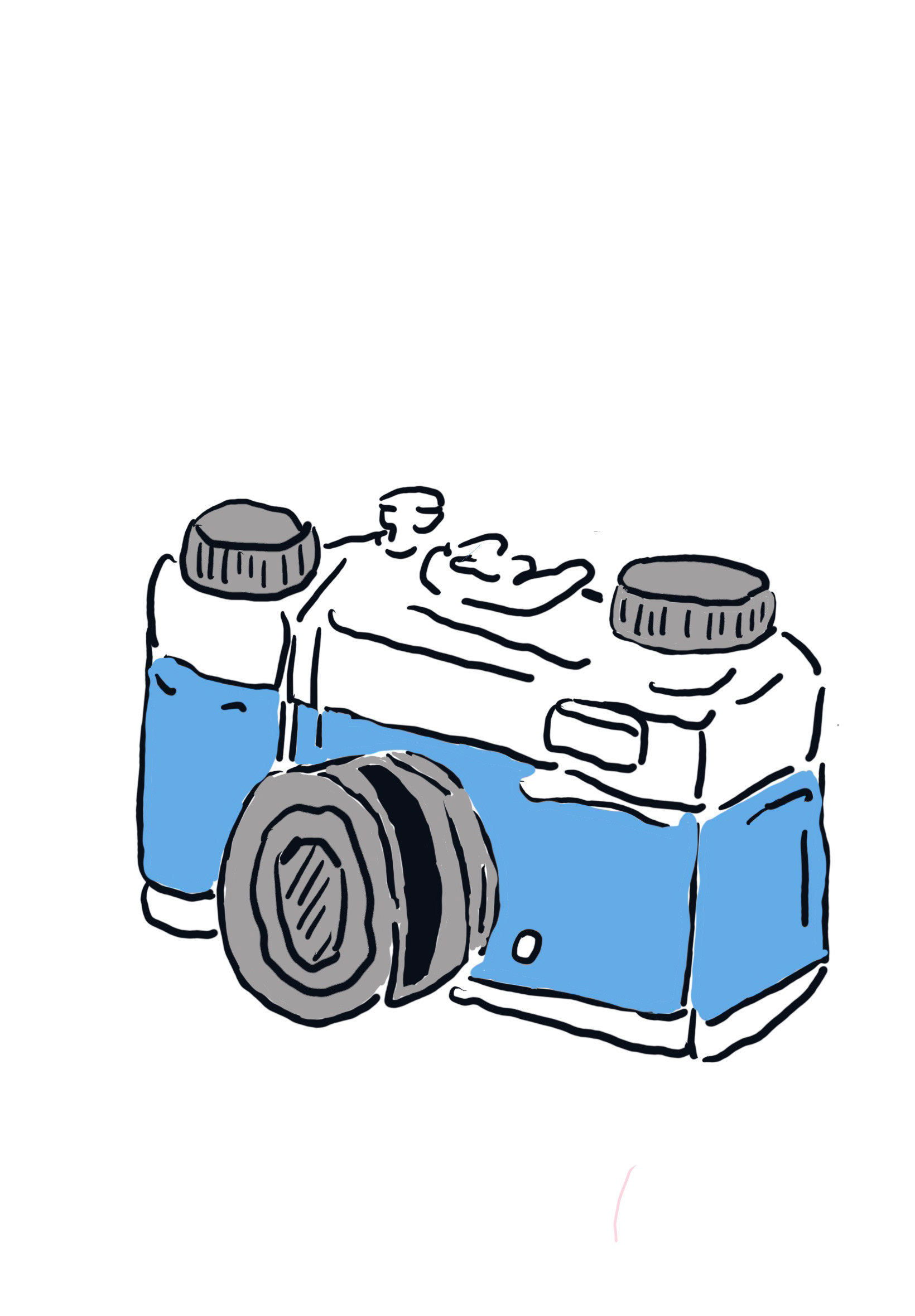
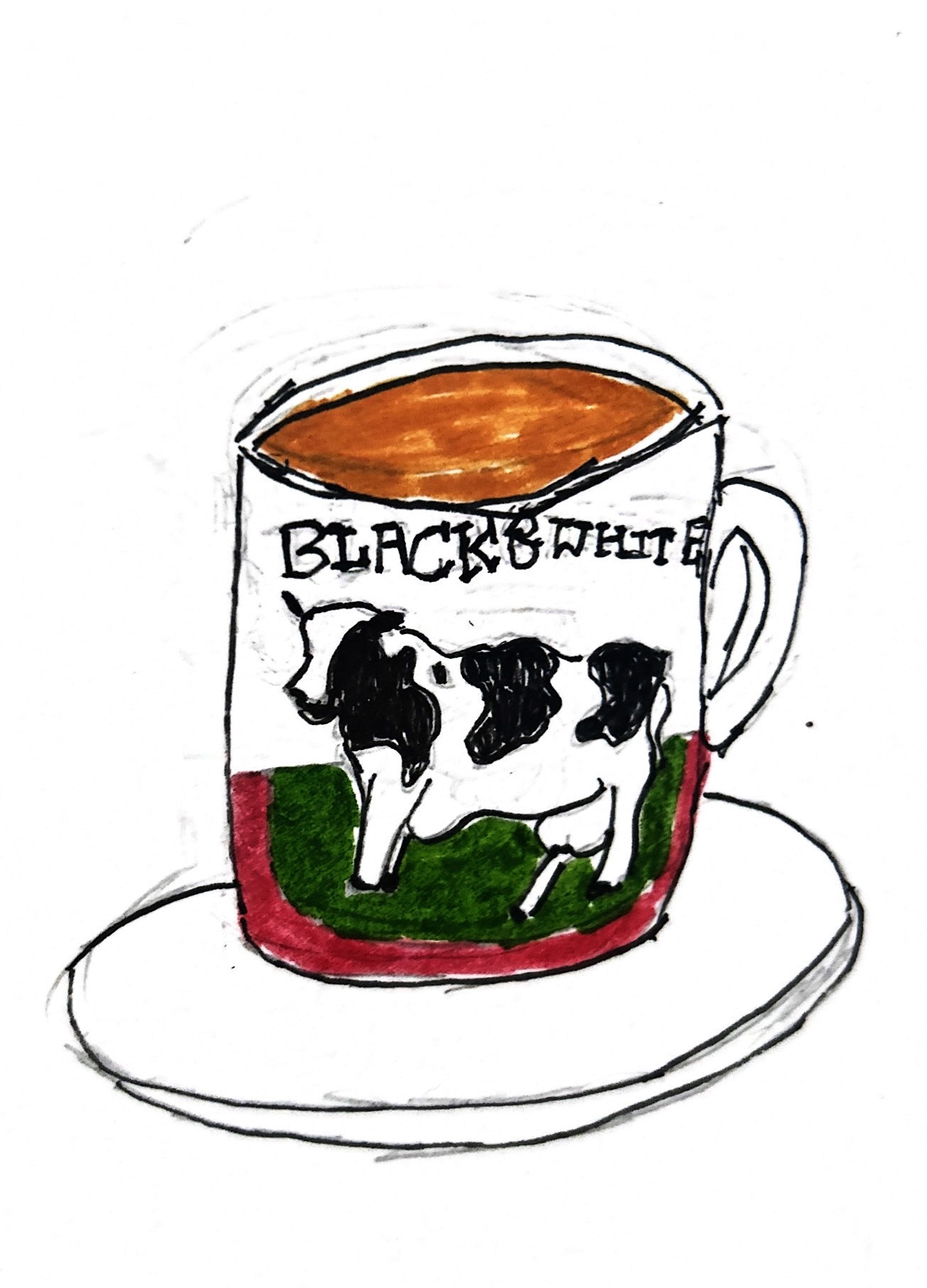
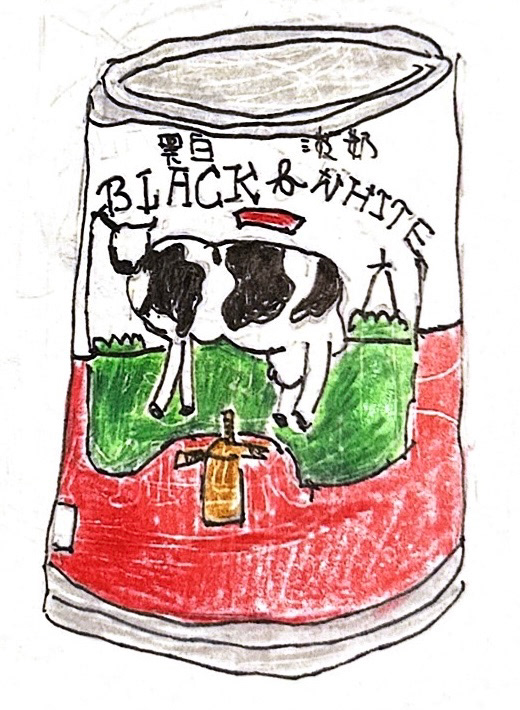
I explored observational drawing using various materials such as watercolor, markers, and color pencils. I focused on personal travel items like my passport ,Air ticket , luggage and camera—objects I always bring with me on trips. Through this process, I was able to capture the emotional and visual essence of my travel experiences, turning everyday belongings into meaningful illustrations
Little Thunder
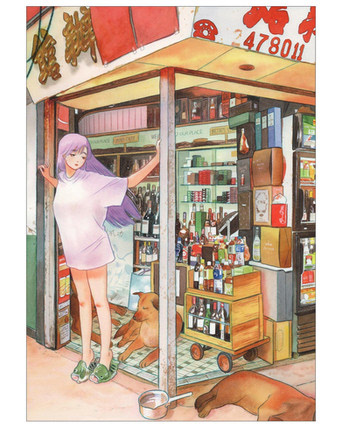
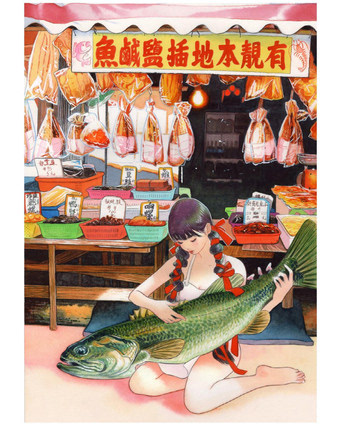
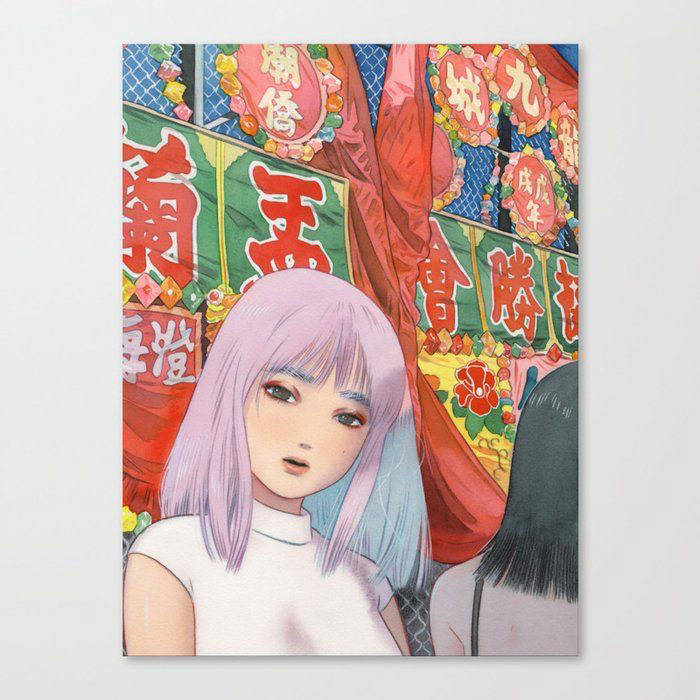
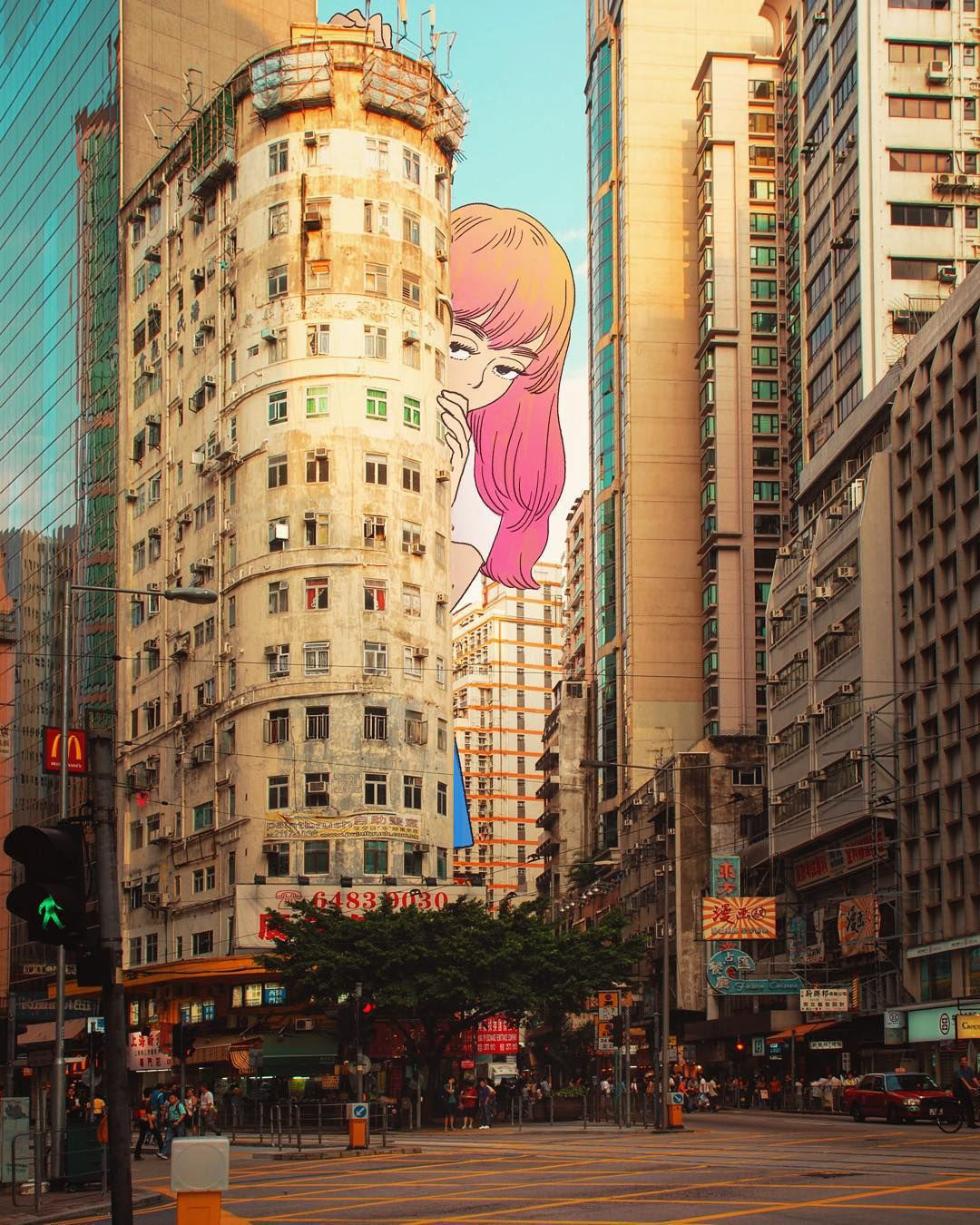
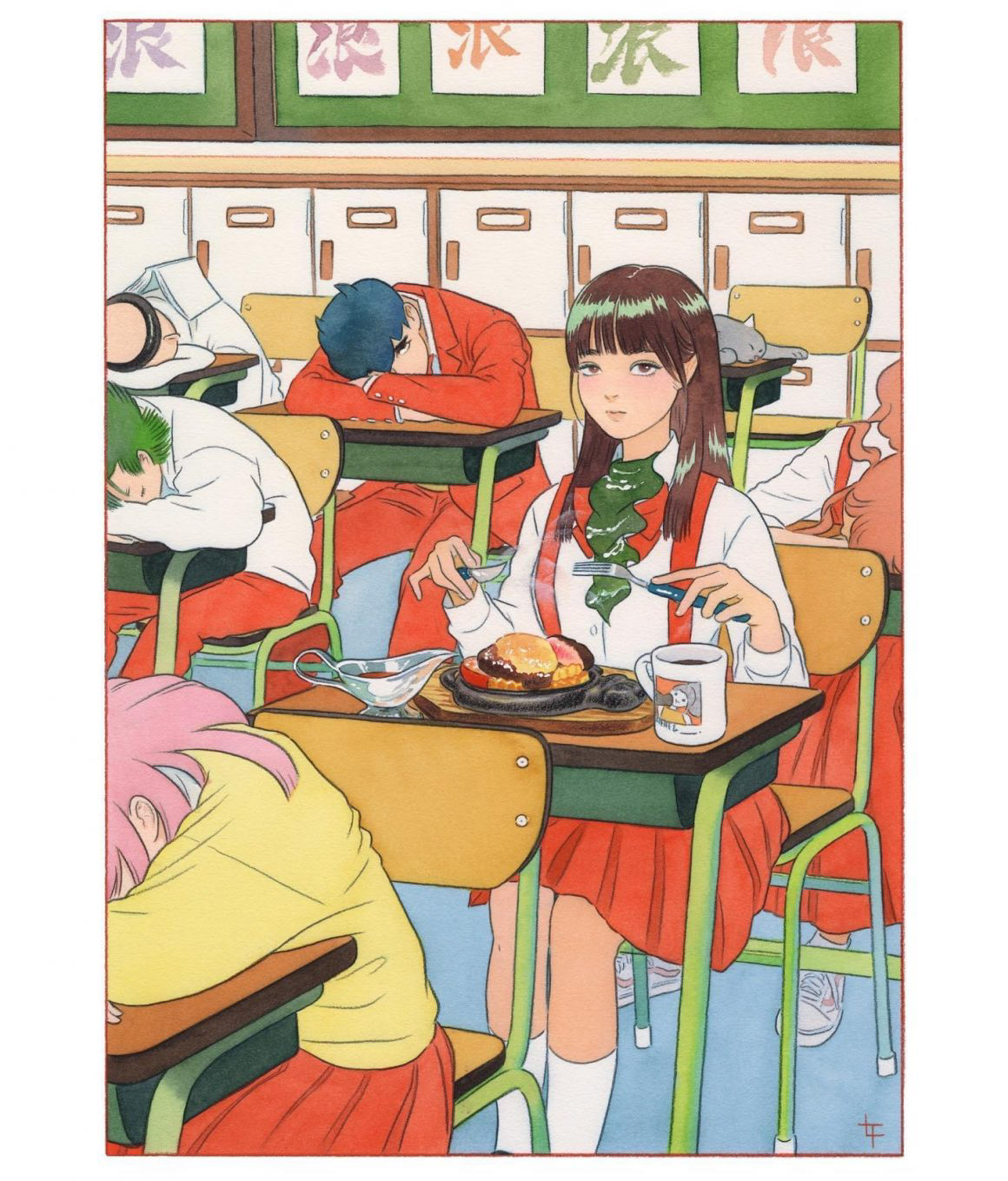
Little Thunder
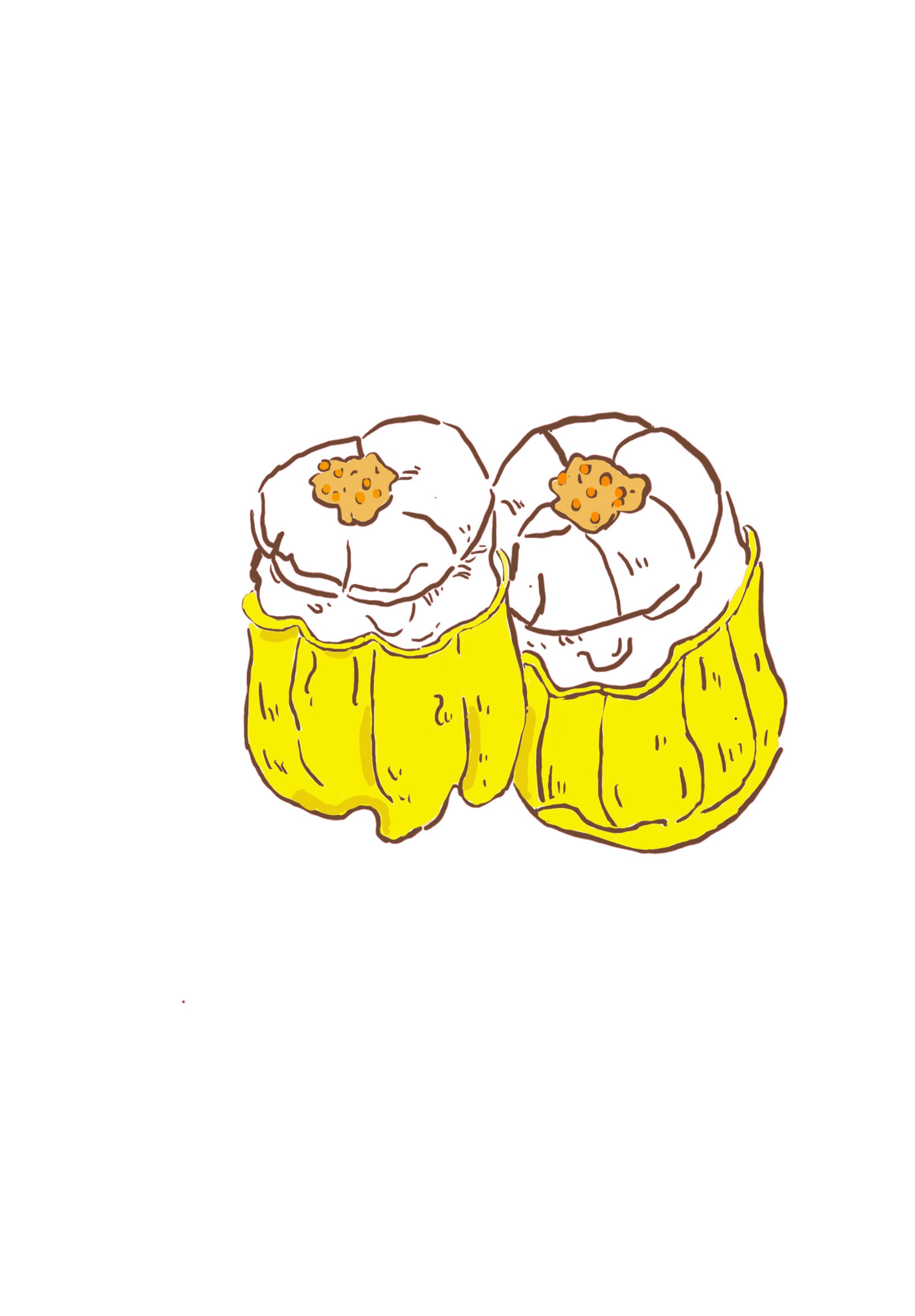
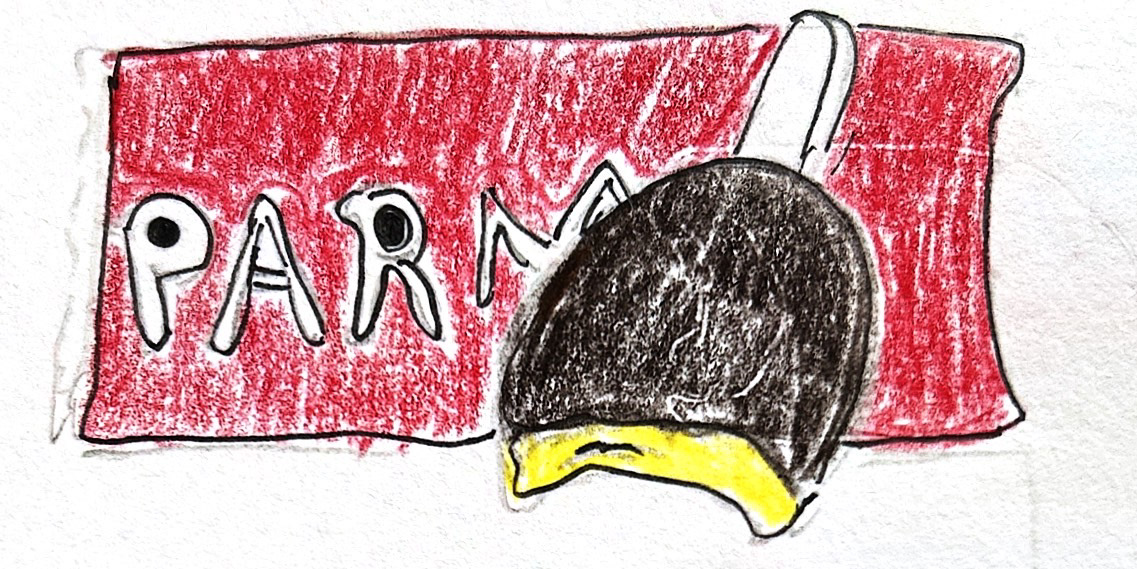
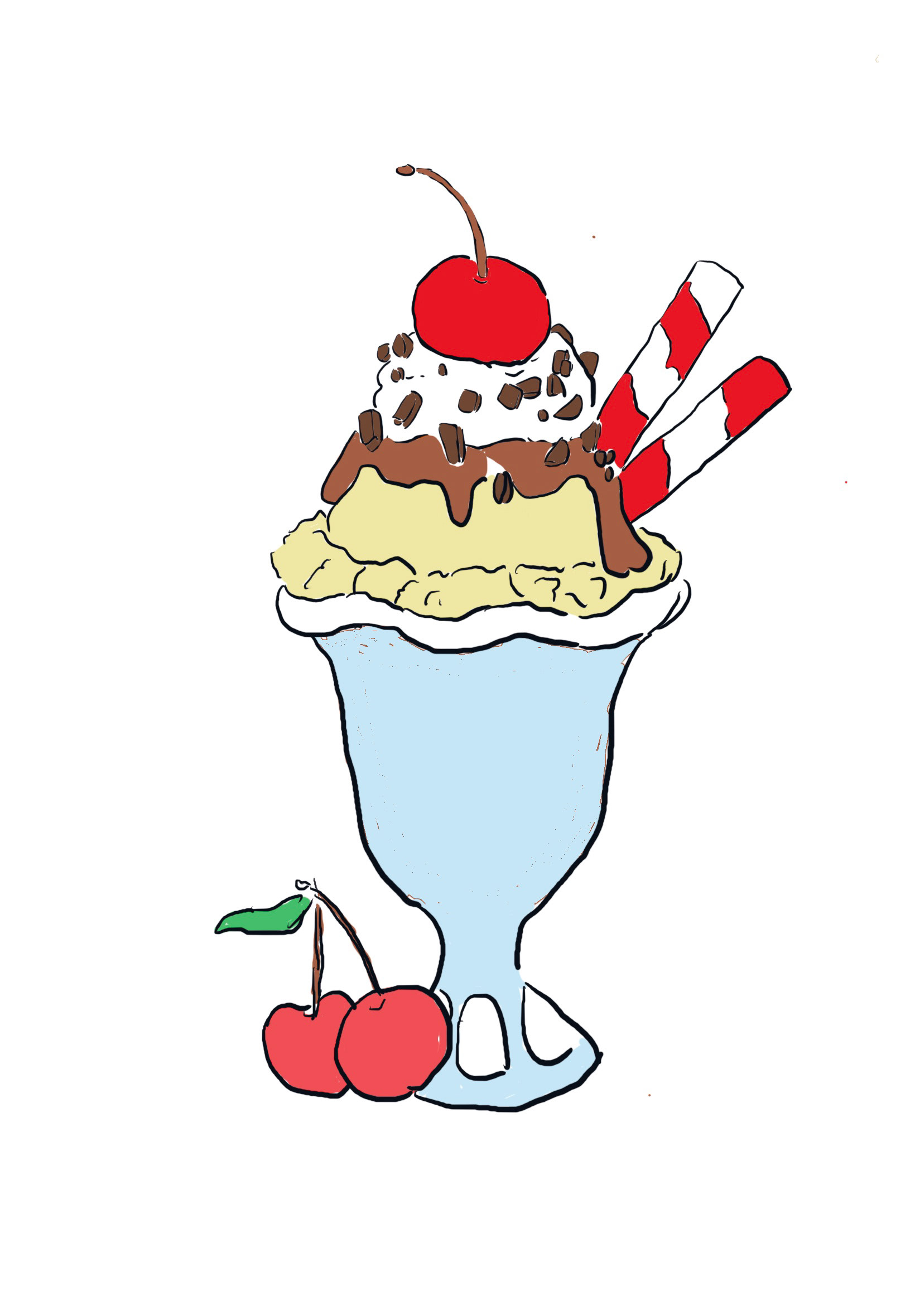
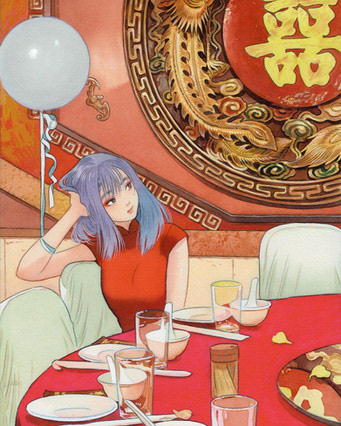
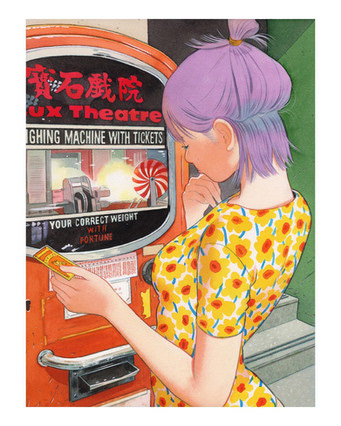
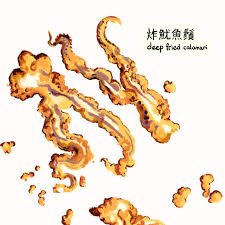
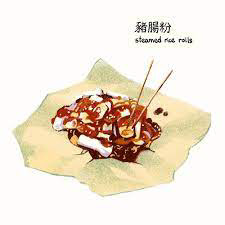
I’ve been particularly inspired by Little Thunder, a Hong Kong illustrator whose work often explores the subtle emotions tied to the city’s urban landscape. Her illustrations capture the essence of everyday life in Hong Kong, particularly in the small, intimate spaces of traditional local restaurants, shops, and street scenes. What I find most compelling about her work is how she uses colour and light to evoke a particular mood, and how her sketches document the nuances of the environment with such sensitivity and authenticity.
One of the aspects of her work that truly resonated with me was her ability to convey the emotional connection people have with the spaces they inhabit. The way she captures a simple street corner or a quiet shop can stir up feelings of nostalgia and belonging, showing how these places hold cultural significance that goes beyond their physicality.
Her travel sketchbooks, in particular, inspired me to start my own observational drawing process. I began taking walks around my neighborhood, paying close attention to the small, often overlooked details that make up the urban landscape. What I once considered mundane—like the old buildings, the neon signs, and the local eateries—started to feel more meaningful. I began to appreciate how these everyday places can carry deep emotional and cultural meaning, and how I could reflect that in my own work.
In my drawings, I’ve experimented with capturing the atmosphere of these spaces, using colour and light to convey different emotions, just as Little Thunder does. This practice has not only deepened my understanding of my surroundings but also influenced how I approach my creative projects. It reminded me that the ordinary can be a rich source of inspiration, and sometimes it’s in the smallest moments that we find the most powerful stories.
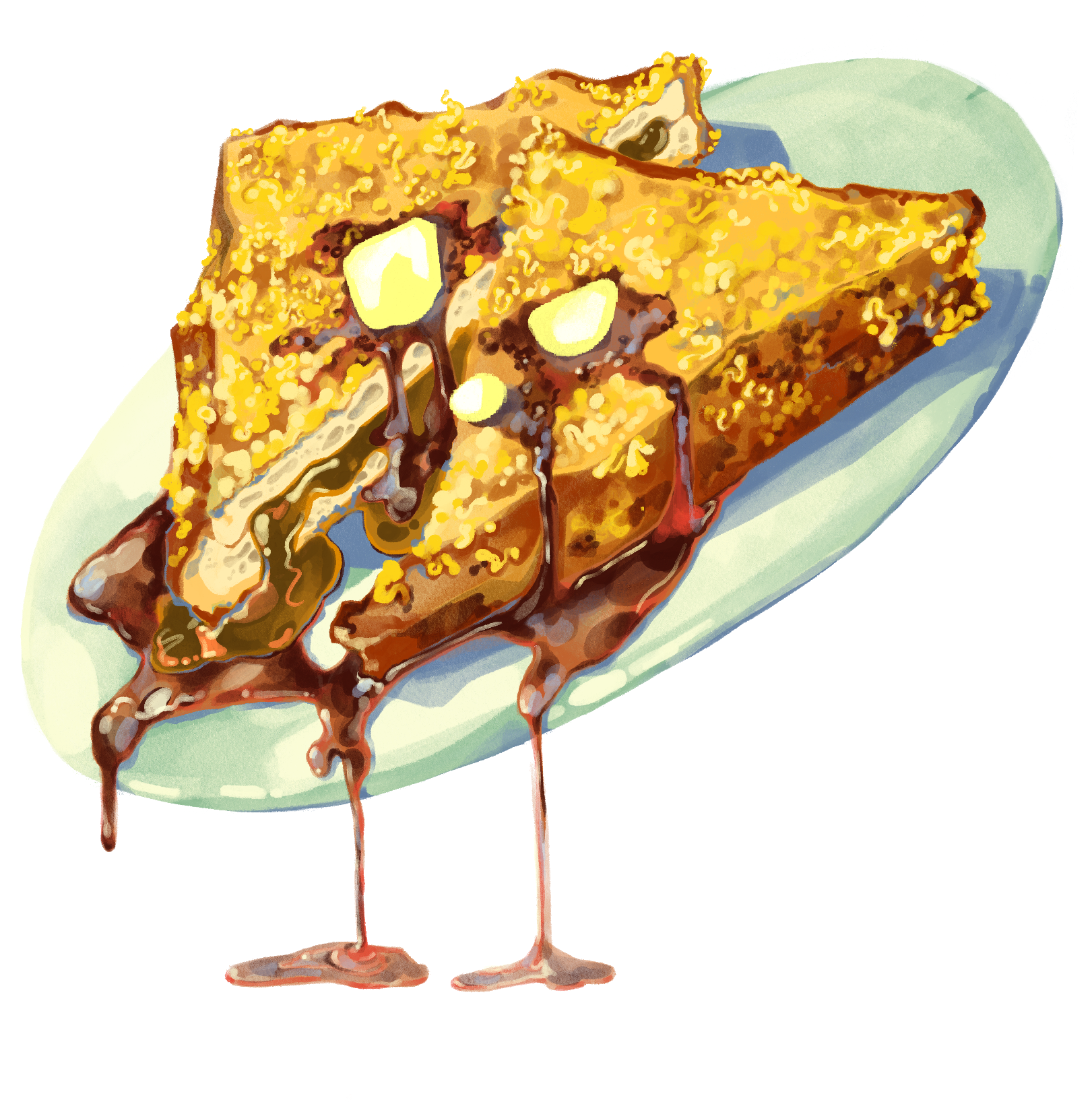
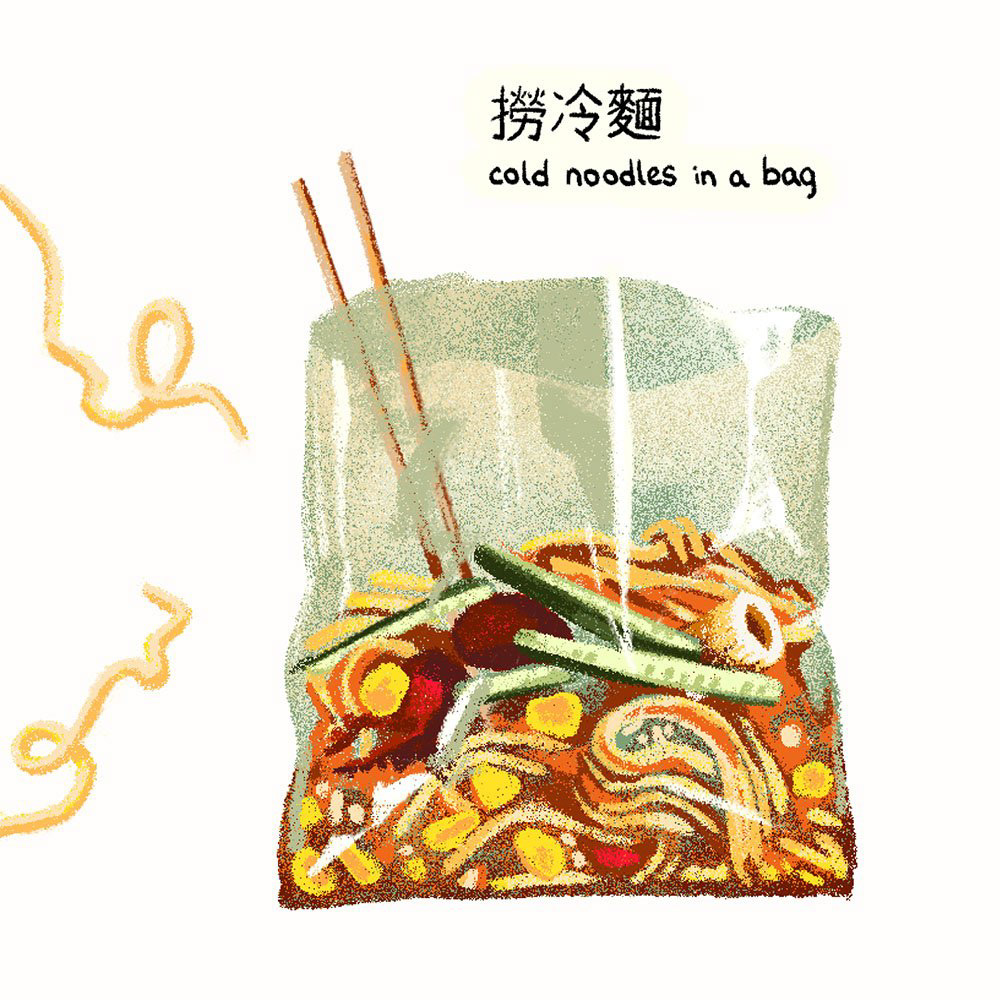

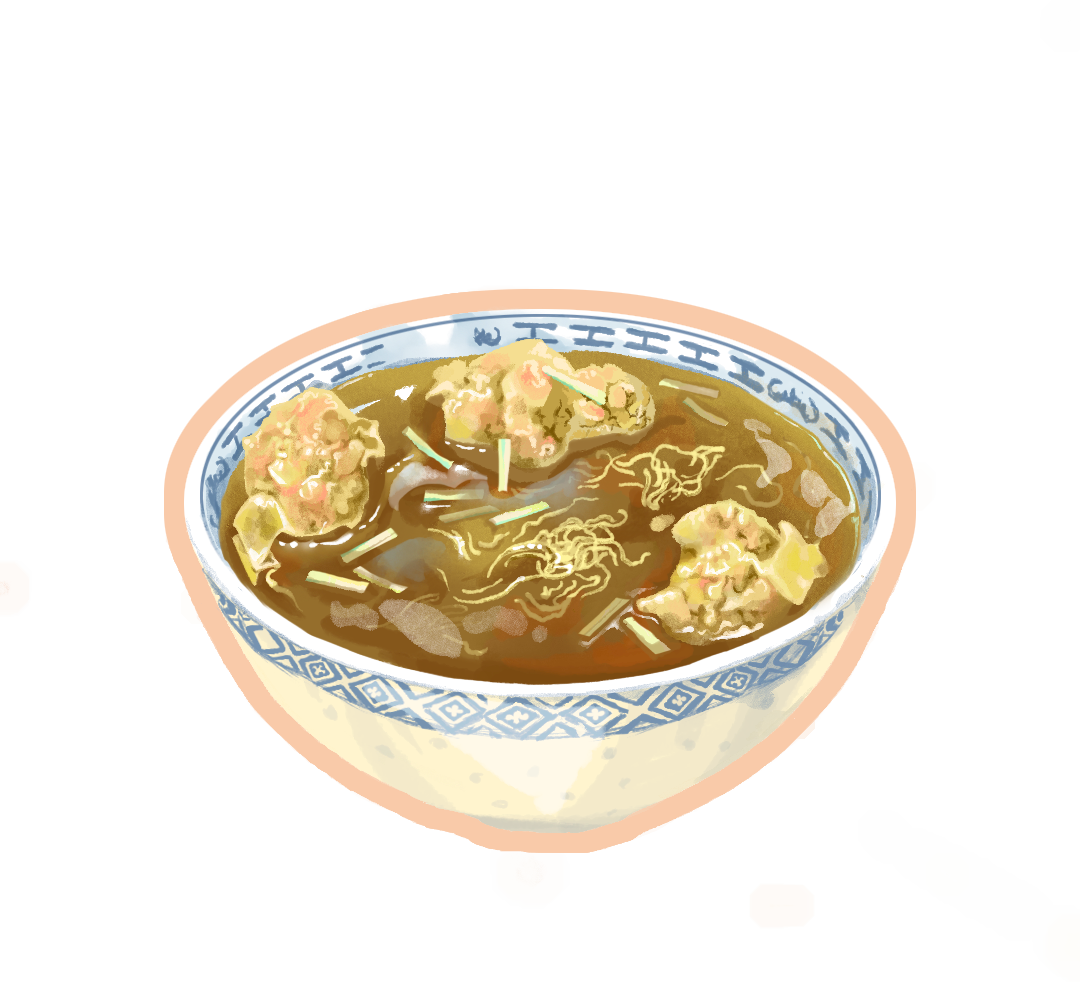
Andrea Cheung
Andrea Cheung is another artist I looked at during my research, known for her soft, hand-drawn illustrations that evoke a sense of calm and nostalgia. Her work, often focusing on intimate, everyday objects, created a feeling of warmth and introspection. I was particularly drawn to how she uses pastel tones and soft textures, creating an almost dreamlike quality that mirrors the quiet, personal nature of the memories she illustrates.
Cheung’s art taught me how to simplify and focus on emotional detail rather than overwhelming the viewer with information. I started to experiment with coloured pencils and watercolours to replicate the soft, muted tones that characterized Cheung’s work. The idea of capturing small, intimate moments—whether through objects or places—became central to my project’s visual direction.
Primary Research
Alongside my research into established artists, I also engaged in primary research by looking at the locations that I took picture in Hong Kong that hold personal significance for me. I focused on familiar objects—such as my passport, camera, and shells collected from beaches—and used them as subjects for observational drawings. I found that these objects had a strong emotional connection to my past travels and experiences, reinforcing the concept of memory as travel.
Through this research, I also reflected on the everyday experiences that shape my emotional landscape, such as family trips, moments spent in quiet places, and encounters with nature. I documented these through sketches and quick watercolour studies, experimenting with texture and tone to capture the feeling of each location or memory.
Final outcome
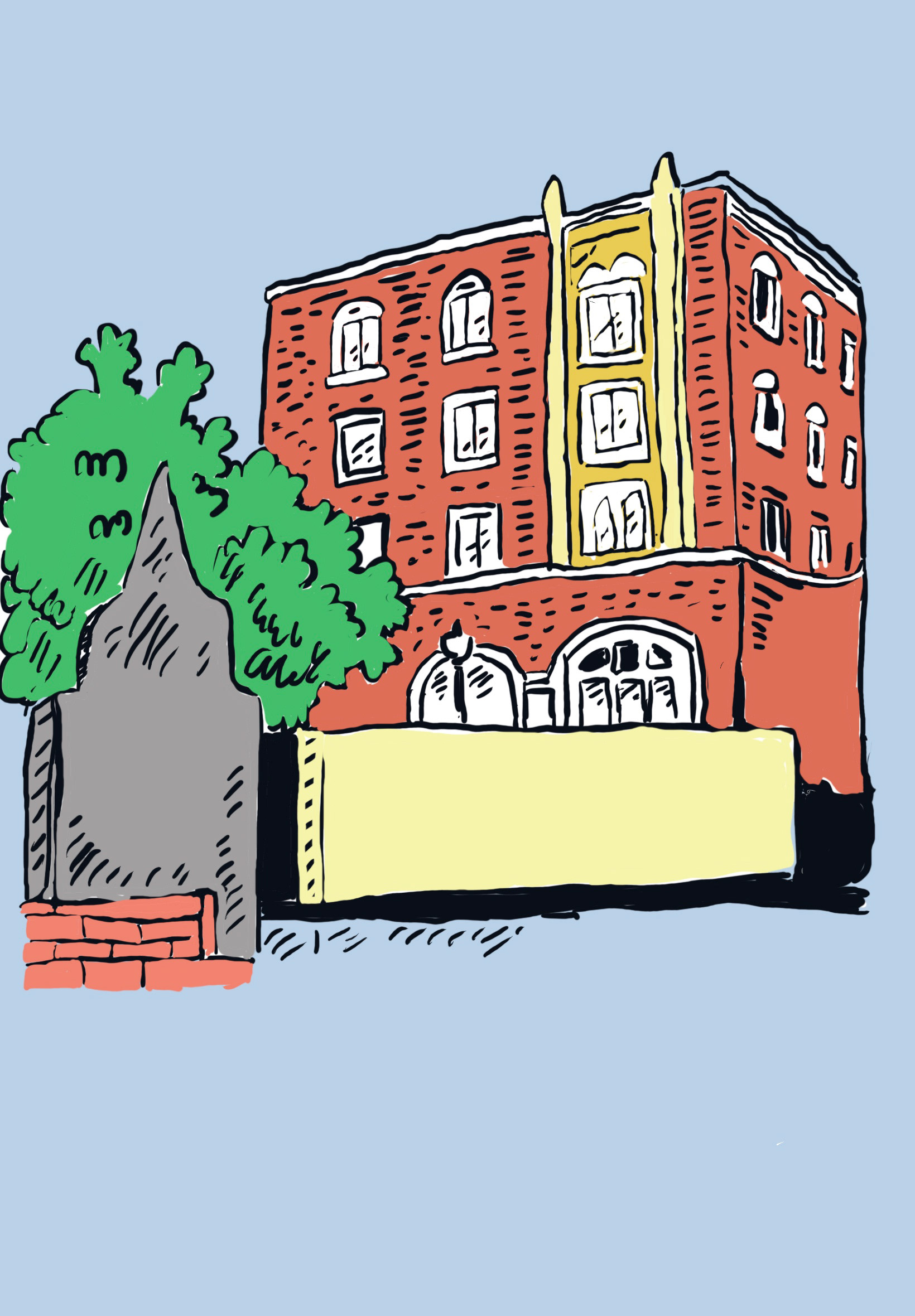
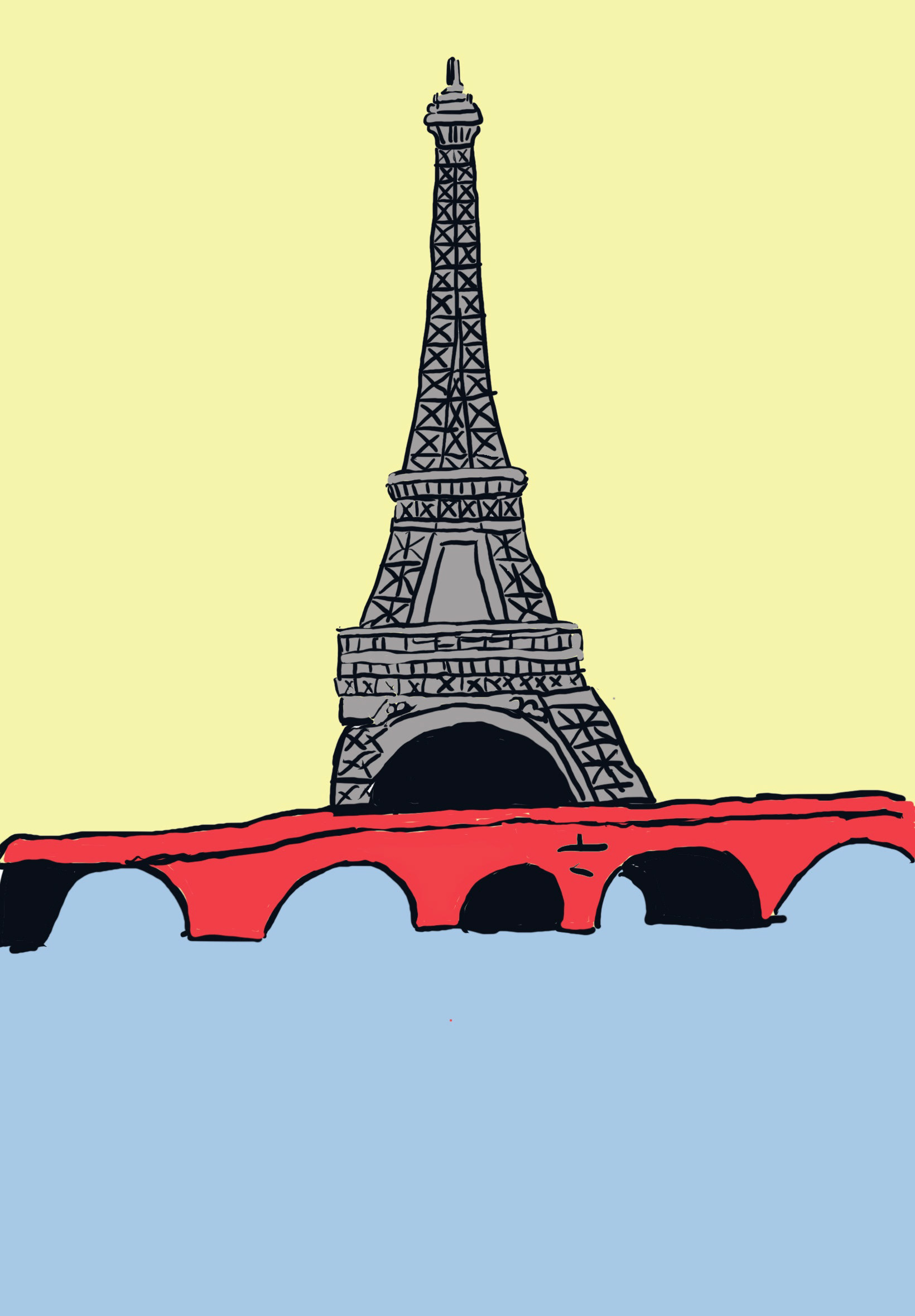
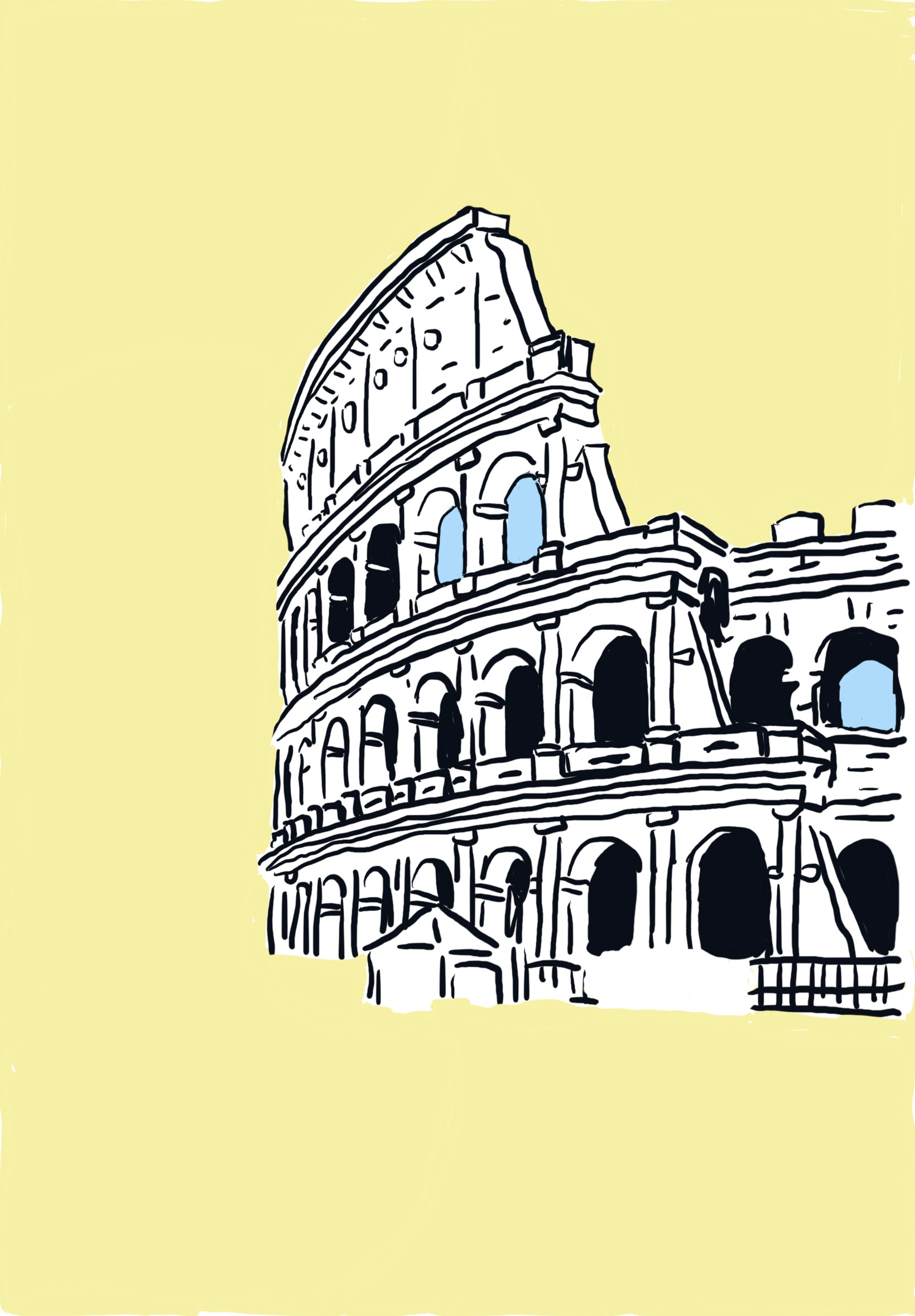
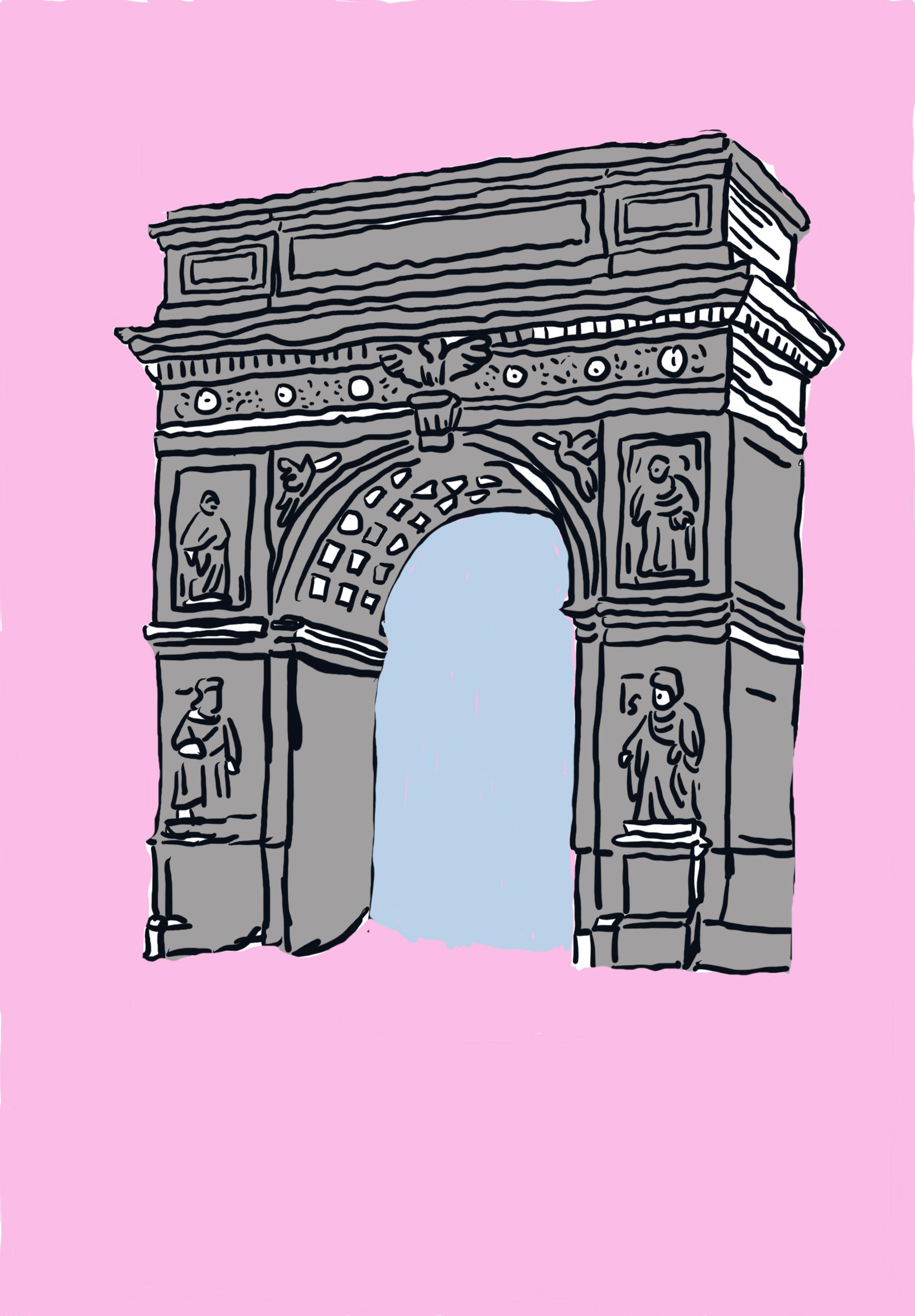
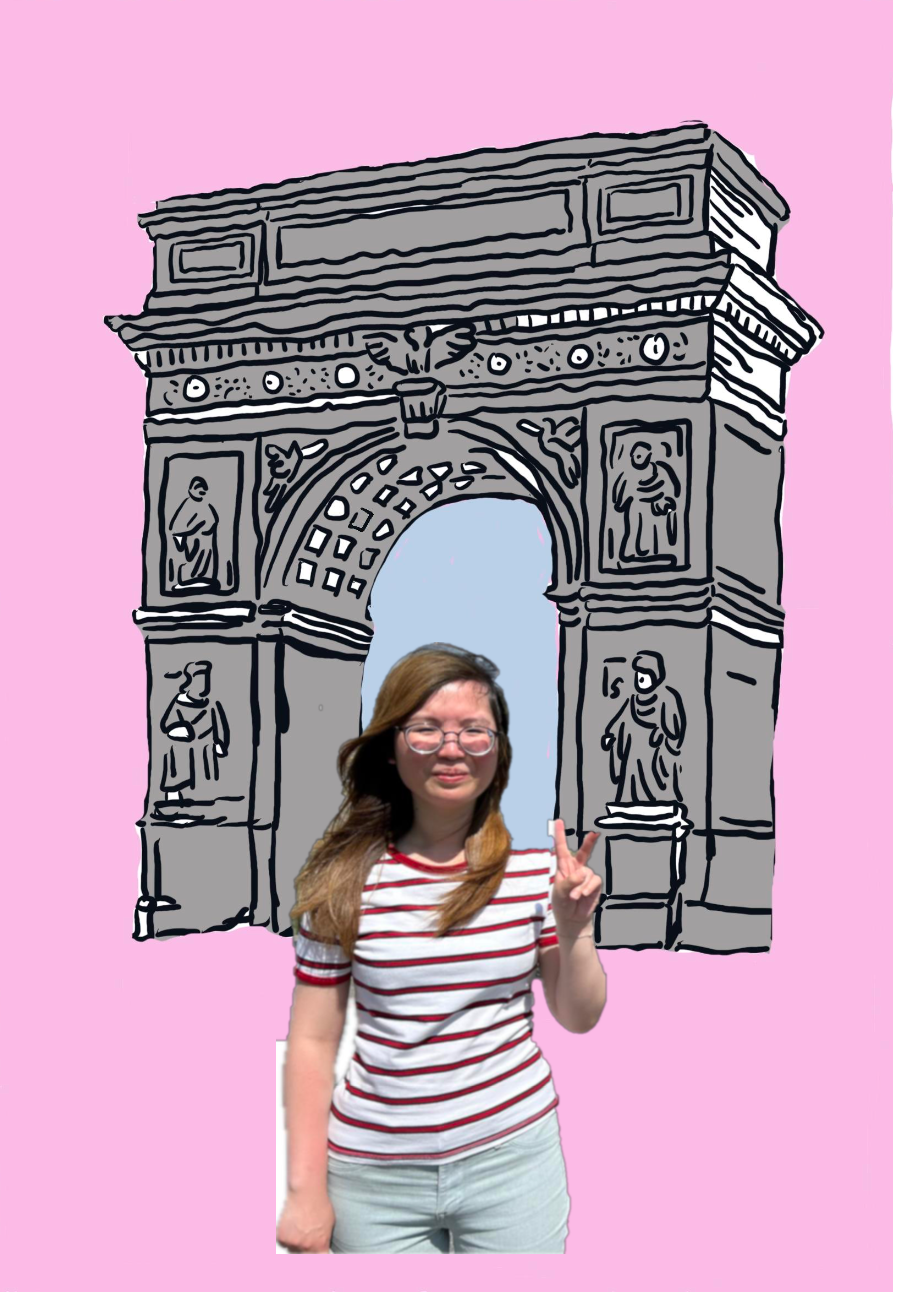
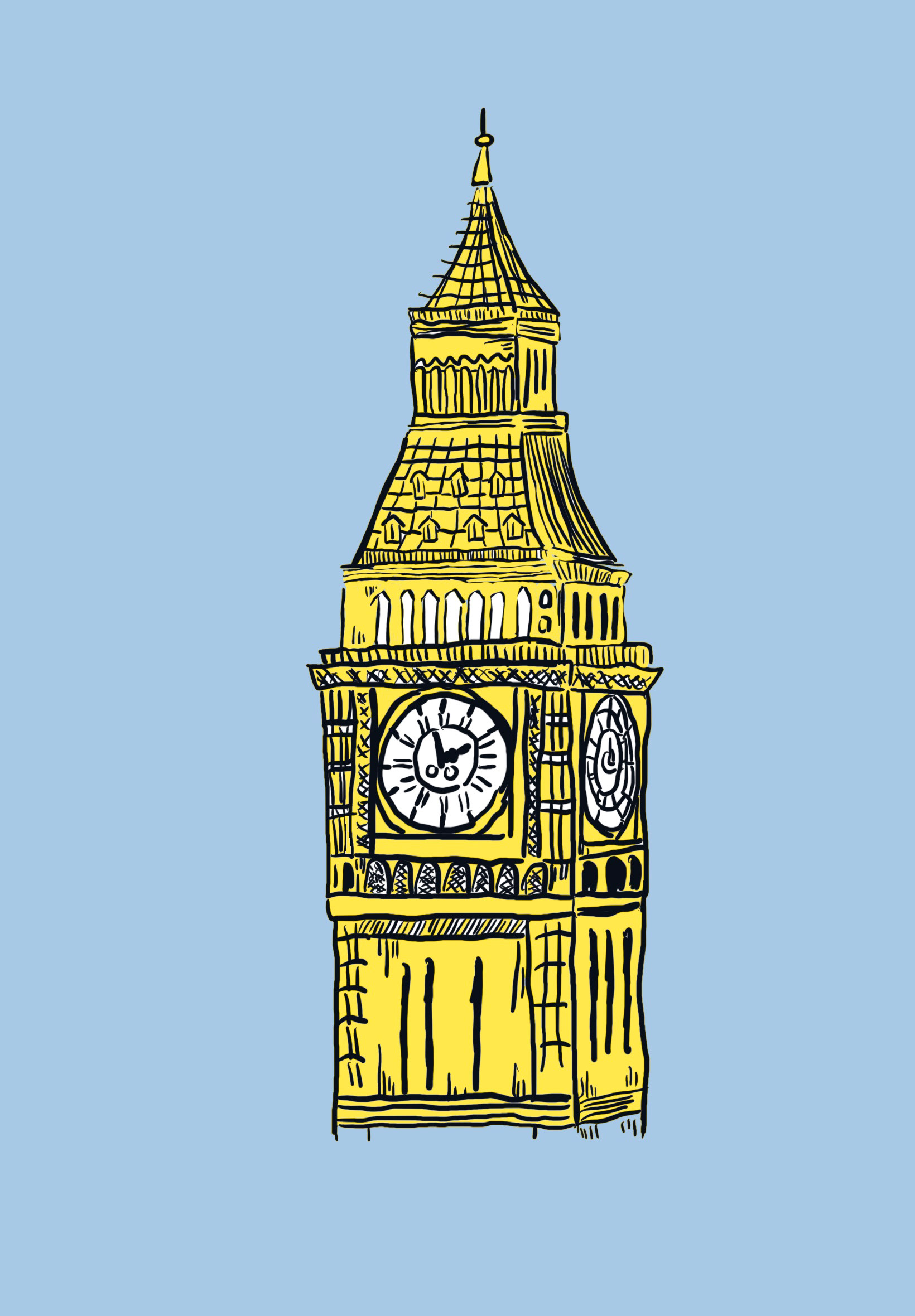
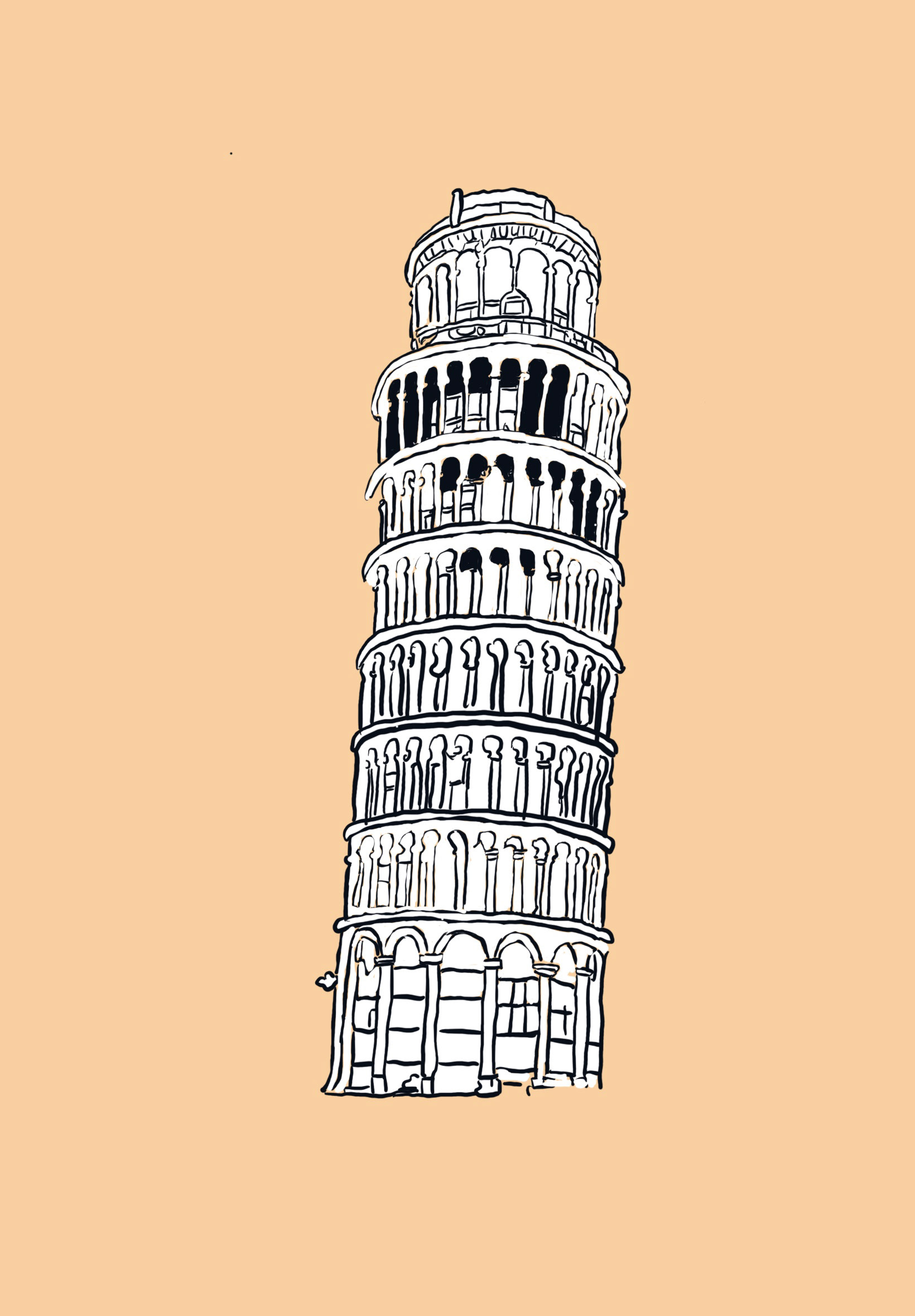
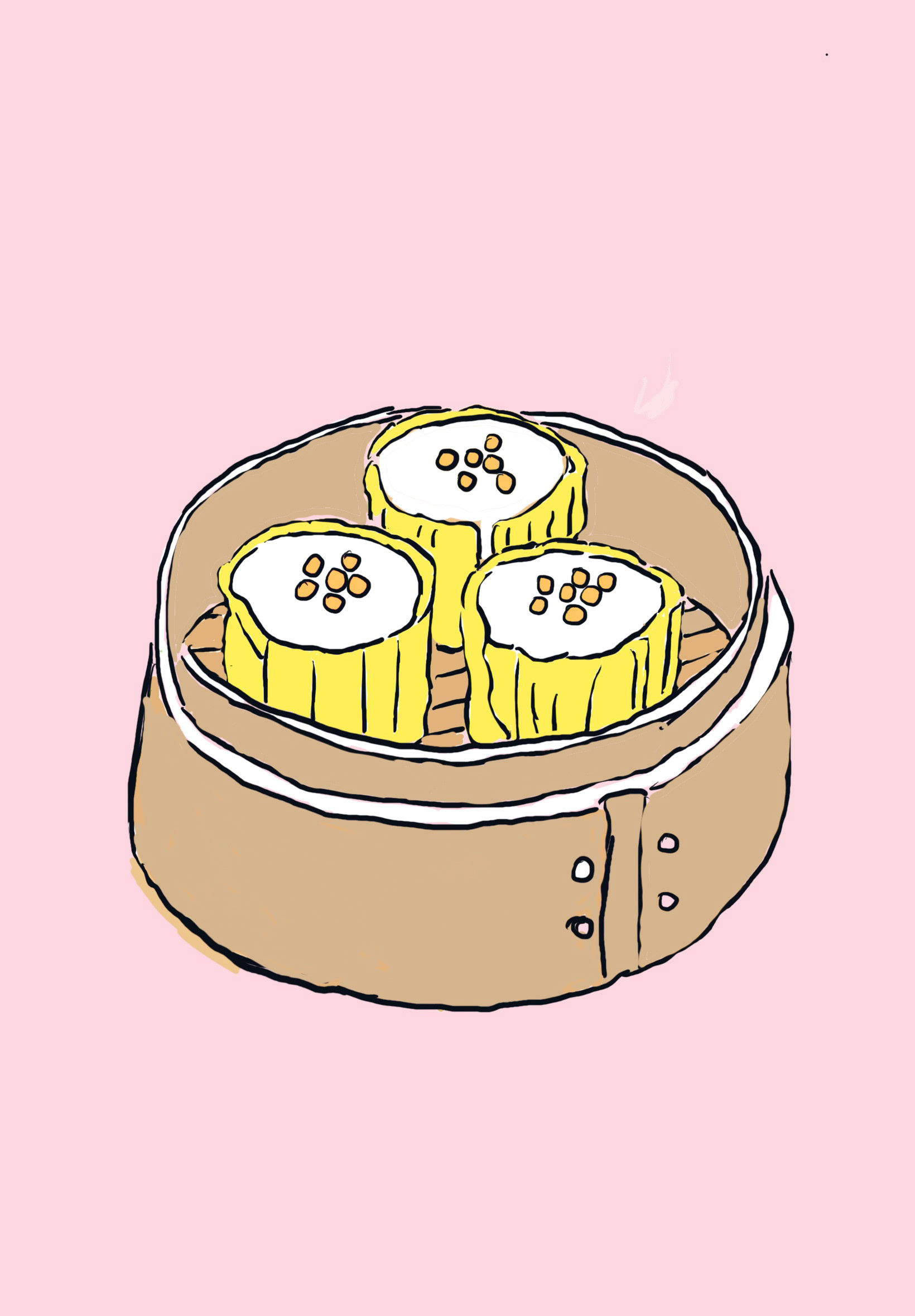
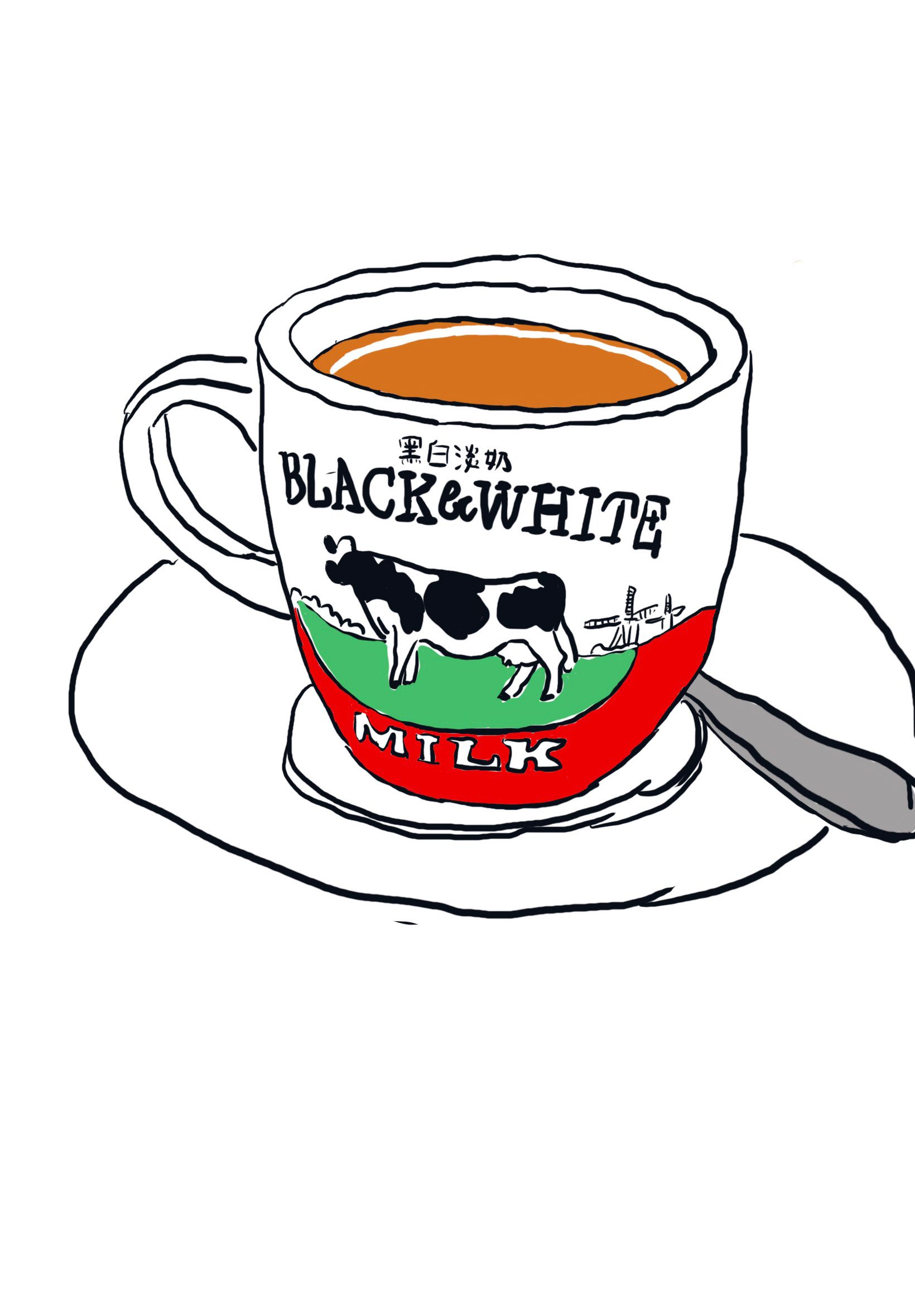
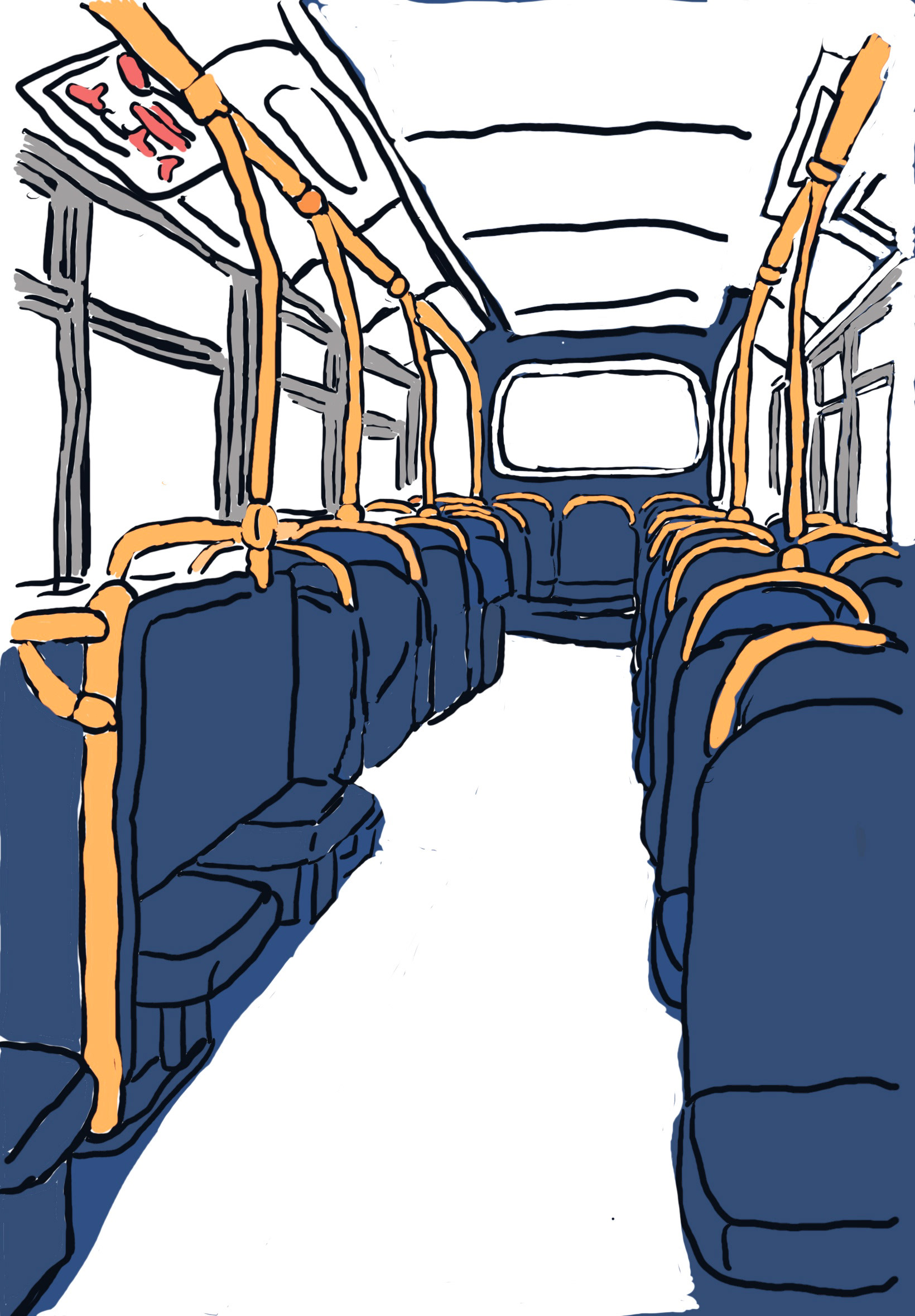
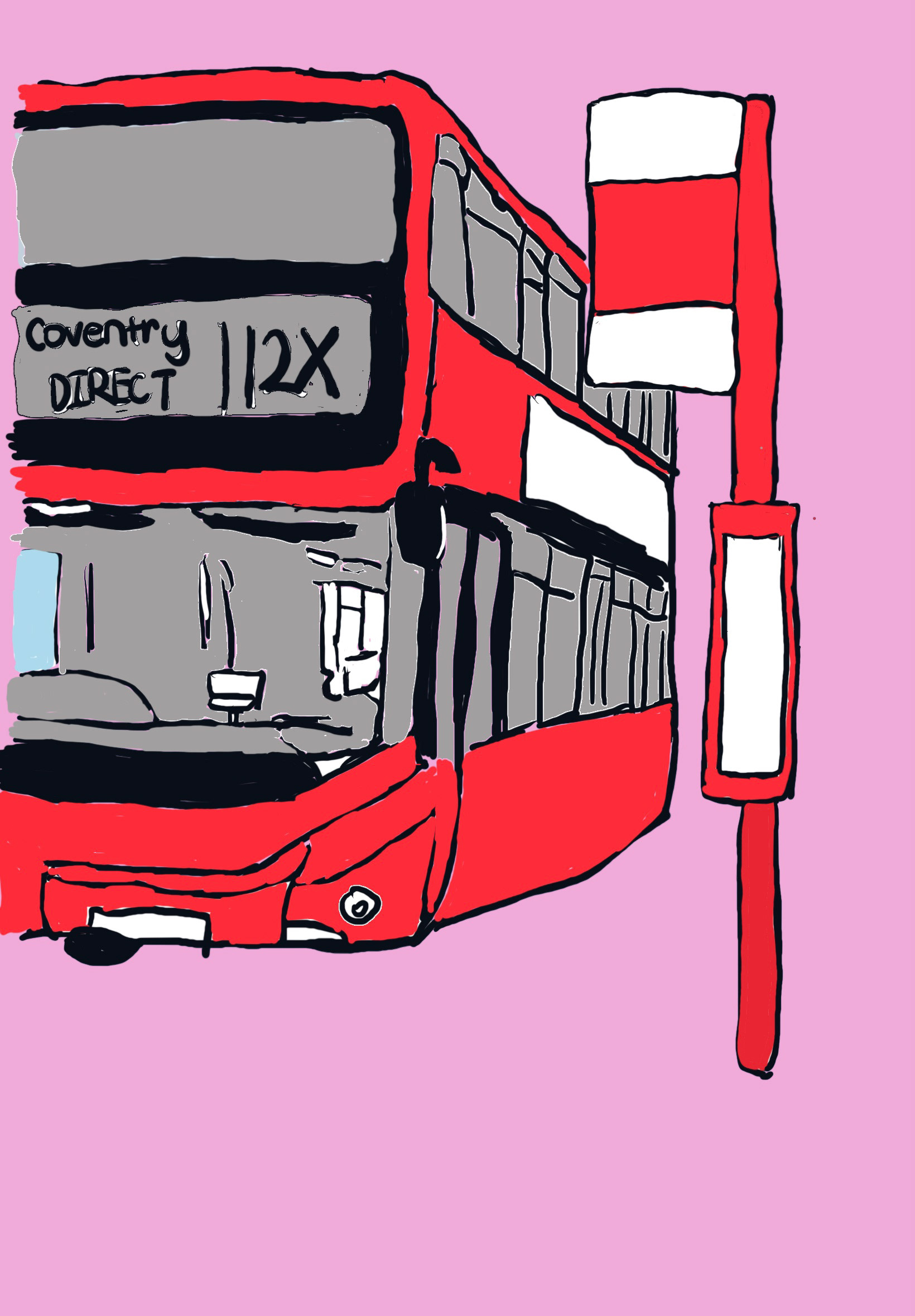
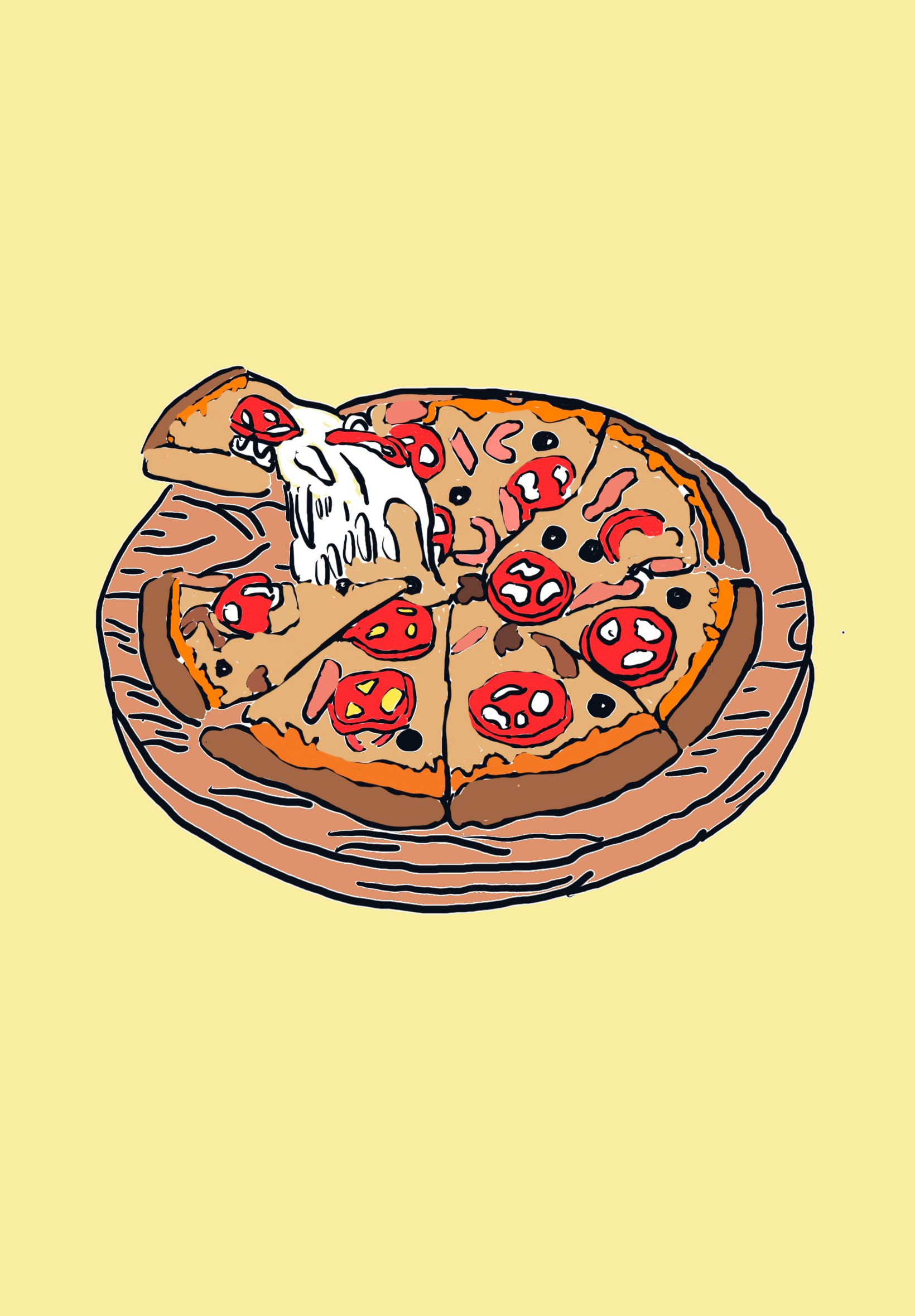
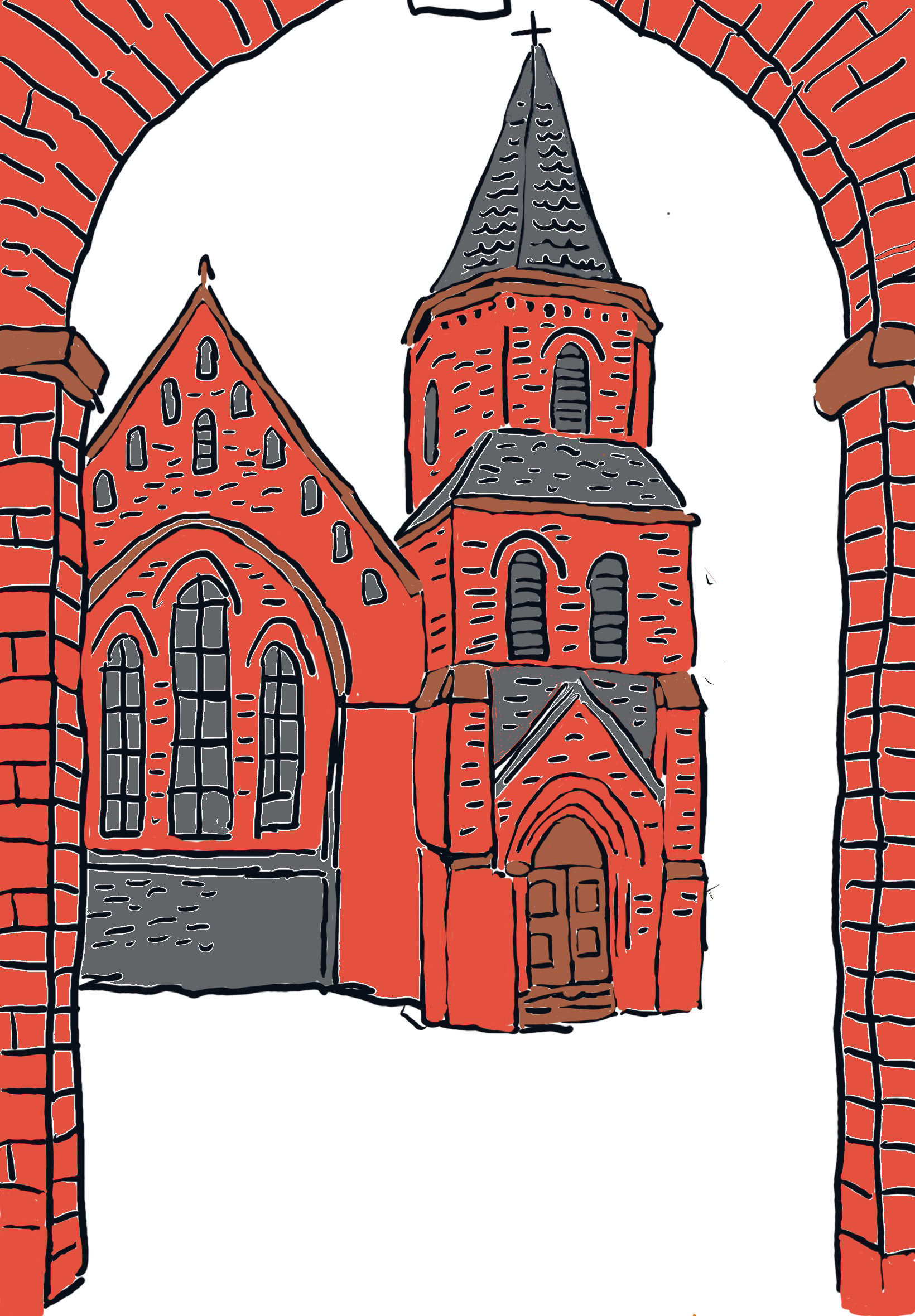
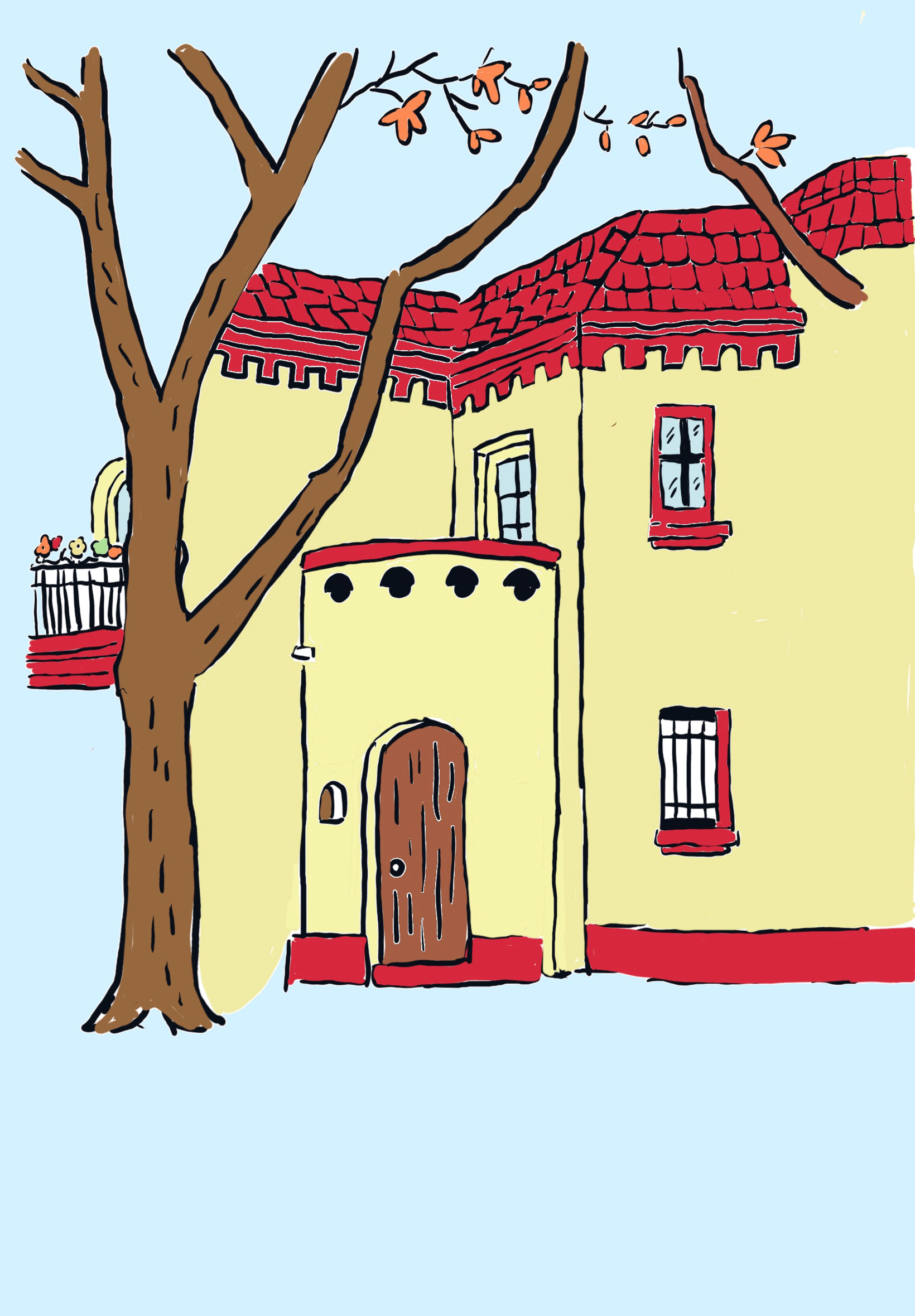
Finally , I created a Travel memories zine , inside the zine color palette I created for Ways of Living zine is deeply personal and intentionally chosen to reflect the emotions, memories, and philosophies I explored throughout the project. Each color represents a key moment or feeling: from the pale blue of snowy walks with family (Snow Memory), to the soft blue of riverside exploration (River Walk Blue), and the warm tones inspired by collecting objects like shells and dolls (Shell Pink and Café Clay). Sticker Yellow adds a sense of playfulness, linking to childhood joy and creativity, while Travel Denim anchors the palette in experiences of journeying with loved ones. Finally, Hope Lilac symbolizes the emotional strength and encouragement I felt from music and connection. Together, these colors form a visual language that speaks to a lifestyle of observation, emotional depth, and appreciation for both the everyday and the extraordinary. Through this palette, I aim to communicate a gentle, hopeful, and reflective way of living.
Reflection
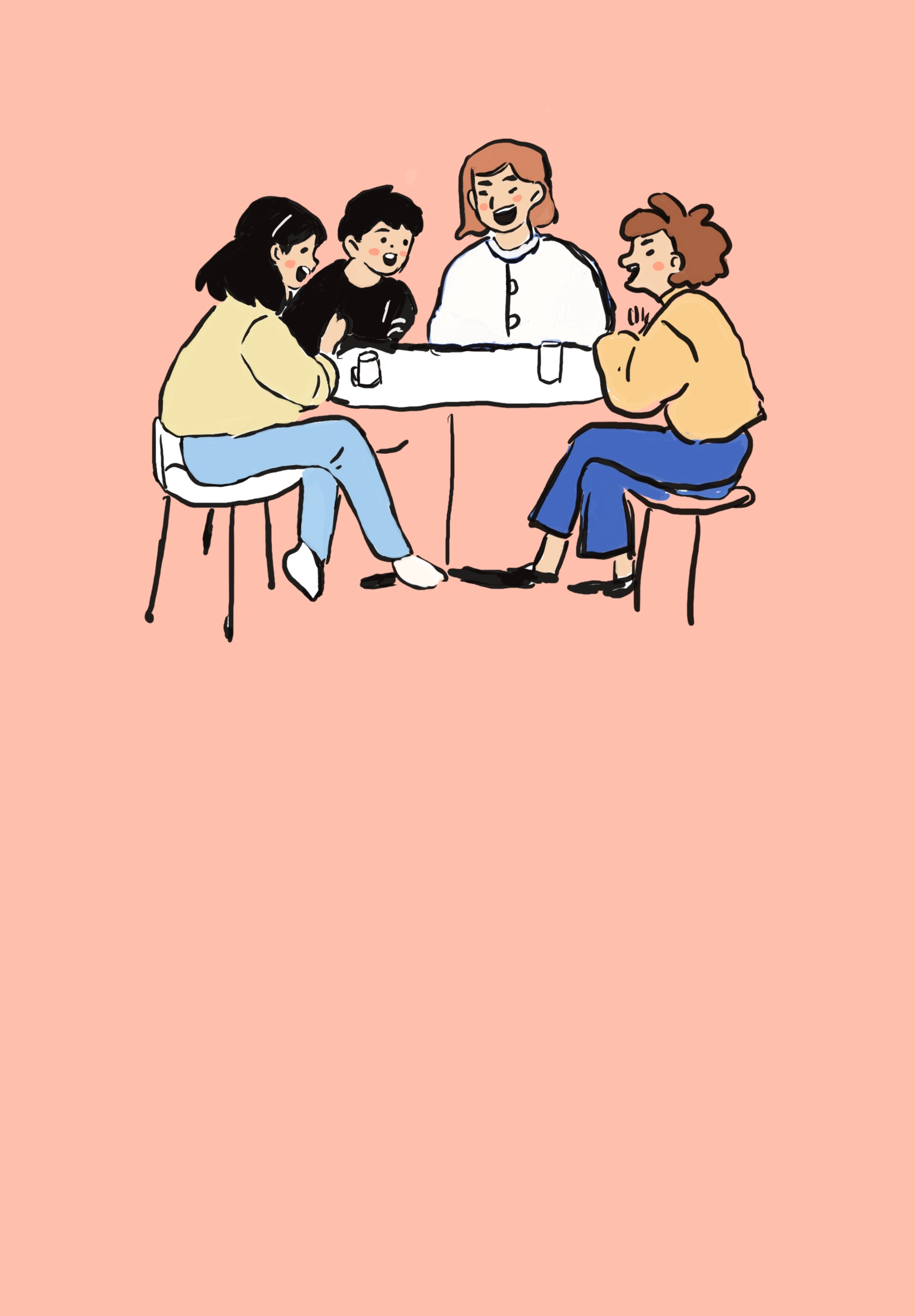
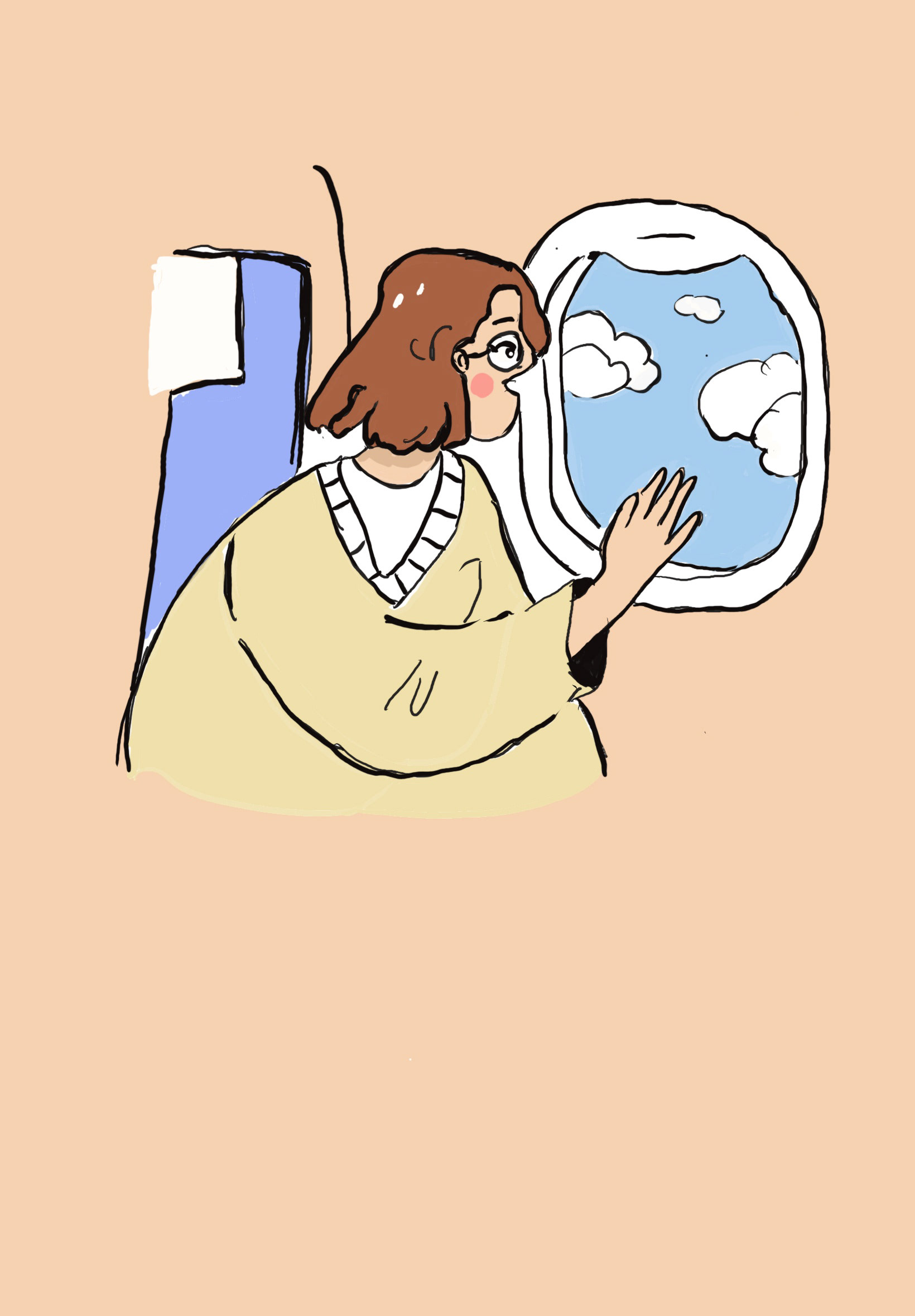
we did not need to submit the final work of the project ,but I still made some illustration about my journey
This project has been a journey of creative exploration and personal growth, blending research, hands-on experimentation, and reflective practice. Throughout the project, I discovered new ways to express emotions and memories through visual storytelling. The process has deepened my understanding of how personal experiences and broader cultural themes can shape creative work.
Early Exploration & Concept Development
The concept for my project began with a quiet, reflective moment—a walk near my home during snowfall. This experience made me realise how often we overlook the beauty and meaning of familiar places. This initial inspiration expanded into the theme of emotional travel, where I explored not just physical movement between locations, but the way we carry emotions, memories, and relationships with us as we travel. I wanted my work to reflect this more intimate, emotional form of travel rather than focusing on the traditional concept of exploring faraway places.
In the Stoicism Workshop, I also experimented with slowing down and being more mindful of my surroundings. Walking without distractions—like my phone—helped me deepen my observation of the world around me. This laid the groundwork for my later project, where I used everyday objects and scenes to represent personal memories and emotions.
Research and Influence
Research played an essential role in shaping my ideas. I delved into the work of Little Thunder, a Hong Kong artist whose illustrations of urban life and street scenes capture the essence of local culture and the subtleties of human connection. Her work helped me realise how much emotional depth can be captured in familiar, everyday settings. Similarly, Andrea Cheung's soft, hand-drawn style and focus on intimate moments and objects influenced my choice of medium. I wanted my work to feel tender and nostalgic, reflecting the emotional weight of everyday moments.
I also conducted primary research by walking around my neighbourhood and revisiting places in Hong Kong that hold special memories. Through observational drawing, I captured objects such as my camera, passport, and shells—items that represent travel, memory, and the passage of time. These personal experiences helped anchor my project in a more authentic and intimate space.
Experimentation and Media Choice
Experimenting with different materials was an essential part of my creative process. I used watercolour, coloured pencils, and risograph printing to explore various textures and tonal effects. I also experimented with stencils and other hand-made techniques during the Riso Workshop, which helped me create bold, graphic visuals. The texture of the medium became a key element in conveying the emotional undercurrent of my work. I found that softer, subtle textures such as coloured pencil and watercolour allowed me to create a warm, nostalgic feel, while starker elements—like stencil prints—helped to highlight key emotional moments.
This hands-on approach helped me learn how to communicate my concepts visually while also respecting the medium's strengths. Through constant trial and error, I developed a clearer understanding of how materials, textures, and colours can evoke specific emotions in the audience.
Audience and Global Context
Throughout the project, I kept in mind the potential audience for my work. I envisioned my audience as individuals who may have a deep connection to their hometowns or who are searching for a sense of emotional grounding in their everyday lives. I aimed to create something that felt personal and universal at the same time, allowing viewers to connect emotionally with the work, regardless of their location. The theme of travel as memory felt relatable because it transcends geographical boundaries—everyone has places or experiences that shape who they are.
At the same time, I reflected on the global context of my work. My use of traditional Hong Kong locations and cultural elements, while deeply personal, also connects to the larger discourse around the preservation of cultural identity in an increasingly globalised world. This awareness of the global context helped me shape a project that feels rooted in place, yet resonates with a wide audience.
Problem-Solving and Reflection
The project was not without its challenges. At one point, I struggled with how to balance the personal and universal aspects of my work. My initial plan focused on international travel, but I soon realised that focusing on local places and objects from my own life gave the project more depth and authenticity. This shift in direction was an important learning moment. It taught me how to adapt and refine my ideas based on reflective practice and ongoing feedback.
I also faced technical challenges with the media, especially when combining traditional techniques like stencils with digital elements. However, these challenges ultimately led to creative solutions. For example, I incorporated hand-drawn textures into my digital pieces to maintain a sense of warmth, which I felt was essential to the emotional tone of my work.
Conclusion and Personal Growth
This project has not only helped me develop my technical skills, but it has also deepened my understanding of creative practice as a reflective, iterative process. I have learned to approach challenges with flexibility, to embrace experimentation, and to trust in my ability to problem-solve. More importantly, I have gained confidence in creating work that feels deeply personal and emotionally resonant.
Looking back, I feel that this project has helped me define my artistic voice. The act of researching, reflecting, experimenting, and revising has made me realise the power of art to communicate complex emotions and stories. I now feel more equipped to move forward with my creative practice, with a clearer sense of my direction and a greater appreciation for the process of development.
This journey has reinforced my belief that creativity is not just about the final outcome—it’s about the growth that happens along the way. I am excited to continue developing this project and see where it leads, knowing that each step is an opportunity to refine my vision and challenge my skills.
In the future , I hope to continue exploring the relationship between everyday life and creativity. This project taught me to slow down, observe more deeply, and find inspiration in the simple and personal—whether it’s a walk by the river, a conversation without my phone, or a shell collected at the beach. In the future, I want to keep developing my visual storytelling through zines, drawings, and collections that reflect my emotions, memories, and surroundings. I’m also interested in learning how to better combine illustration with narrative, especially using colors and textures to express different moods. By building on what I’ve discovered through Ways of Living, I aim to create more honest and heartfelt work that captures the beauty of everyday experiences and connections with people and places.